
Navigating Medicare Coverage For Adjustable Beds
To convince Medicare to cover an adjustable beds Medicare claim, youâll need thorough medical documentation. Navigating the requirements surrounding adjustable beds Medicare requires a solid understanding of how Medicare defines medical necessity and how to effectively demonstrate that an adjustable bed is essential for treating your specific condition. The key to securing adjustable beds Medicare coverage is providing thorough documentation that proves the adjustability is required to treat your specific condition
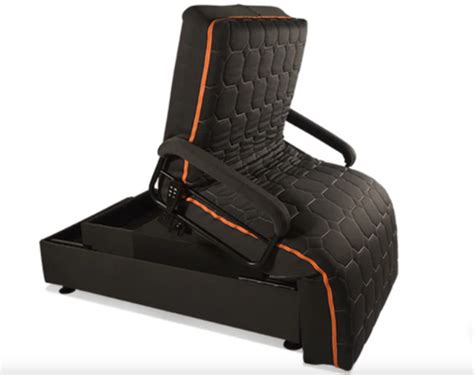
Navigating the complexities of healthcare coverage can be daunting, especially when you're looking into equipment that can truly improve your quality of life. One such area where questions frequently arise revolves around adjustable beds and Medicare. Many people wonder if their insurance will help cover the cost of these specialized beds, as they're often seen as a luxury rather than a necessity. That's where understanding the nuances of adjustable beds Medicare coverage becomes crucial. These beds, with their ability to adjust head and foot positions, can offer relief for many health conditions. However, just because they offer comfort and ease doesn't mean Medicare will automatically cover them.
Understanding Medicare and Durable Medical Equipment
Medicare doesn't cover everything. It primarily focuses on treatments and equipment deemed "medically necessary." This is a key thing to understand when looking into adjustable beds Medicare coverage. Medicare categorizes certain items as Durable Medical Equipment (DME). Things like wheelchairs and walkers often fall into this category. The idea is that DME is equipment that's reusable, can withstand repeated use, and is primarily used for a medical purpose. So, does an adjustable bed fit the bill? Not usually, not in the eyes of Medicare, at least.
What Medicare Typically Covers
Traditionally, Medicare Part B covers DME if it's medically necessary, prescribed by your doctor, and used in your home. Think about things like oxygen equipment, hospital beds (the basic kind), and mobility aids. These are explicitly designed to treat or alleviate a medical condition. Adjustable beds, with their emphasis on adjustable comfort, aren’t generally classified the same way.
Why Adjustable Beds Often Fall Outside Standard Coverage
The main reason why adjustable beds medicare coverage is tricky is because they are generally considered comfort or lifestyle items. They're not typically viewed as strictly required to treat a health problem. Even with various health issues, the adjustability function is seen as primarily enhancing comfort over being a direct medical necessity. This distinction means getting Medicare to pay for an adjustable bed can be quite difficult.
Situations Where Coverage Might Be Possible
While Medicare doesn't routinely cover adjustable beds, there can be exceptions. These are usually in specific, well-documented cases. Think of someone with severe respiratory issues who benefits greatly from sleeping in an elevated position. Even then, it’s not a sure thing.
When a Hospital Bed is an Option
Sometimes, Medicare may cover the cost of a hospital bed, the standard kind not an adjustable one, when the need is documented. Then, if a physician specifically outlines a medical reason why an adjustable bed is needed, they can often be obtained through a process of medical necessity documentation. It’s important to note that this is the exception, not the rule. This often involves detailed doctor's notes and paperwork clearly showing why the adjustable function is vital to managing the patient's condition.
What You Need to Prove
To convince Medicare to cover an adjustable beds Medicare claim, you’ll need thorough medical documentation. This will need to justify that a standard hospital bed wouldn’t provide the necessary medical benefits. The documentation will need to highlight that the adjustability of the bed is directly linked to the medical condition.
Gathering Medical Documentation
The information from your doctor will need to be comprehensive and convincing. Ensure that all statements are precise about the medical condition and the required treatment. Things like detailed records of your treatment history, physical limitations, and how an adjustable bed specifically will help improve your situation will be beneficial.
Exploring Alternatives
Even if Medicare doesn't cover the entire cost, there could be partial assistance. Some Medicare Advantage plans, for instance, offer supplemental benefits that may help offset costs. It’s always wise to look through your policy details, and contact customer support to explore all possible options. You might also consider organizations that offer financial support or explore payment plans if you qualify.
The question of whether Medicare will cover an adjustable bed often hinges on one key factor: medical necessity. Many people find themselves in need of the unique support these beds provide, but understanding Medicare's perspective on this can be a challenge. Figuring out the intricacies of adjustable beds medicare coverage requires delving into how the program defines and determines what qualifies as a medically necessary expense. It's not as simple as just needing the bed; there are specific criteria Medicare uses to decide what it will and will not cover.
What Does Medicare Consider a Medical Necessity?
For Medicare, "medical necessity" isn't just about what might improve comfort or quality of life; it's about what is essential for treating an illness, injury, or condition. This definition is crucial when discussing adjustable beds medicare claims. Medicare looks for a direct link between the item or service and the treatment of a specific medical problem. This is where things can get a bit tricky when it comes to adjustable beds, as they're often seen as more about comfort and convenience than a strict medical need.
The Criteria for Durable Medical Equipment (DME)
Medicare classifies certain medical items as Durable Medical Equipment or DME. For an item to be considered DME and therefore eligible for coverage under Medicare Part B, it must meet several criteria. It needs to be durable and withstand repeated use. It must also be primarily used for a medical purpose. It must be generally not useful in the absence of illness or injury. Finally, it must be suitable for use in the home. While these criteria seem straightforward, applying them to adjustable beds leads to some complexities.
Why Adjustable Beds Don't Always Fit the Bill
The main challenge with adjustable beds medicare coverage is that they often don't quite fit into the DME category in Medicare's eyes. The primary function of an adjustable bed is to adjust positions for comfort and convenience. While this is beneficial for many, Medicare’s focus is on items that directly treat a specific medical condition. Though it is recognized that they can ease symptoms, they are not designed specifically to treat ailments. The medical benefit must be the primary function, not a secondary one.
Common Misconceptions
Many individuals believe that if their doctor recommends an adjustable bed, Medicare will cover it. But even with a prescription, Medicare still needs to be convinced that the bed is not merely for comfort. A doctor’s recommendation is a great starting point, it is not a guarantee of coverage. The documentation needs to make a compelling case that the adjustable bed is essential for treating your specific condition.
Exceptions to the Rule
While it's true that Medicare typically doesn’t cover adjustable beds, some exceptions exist. These exceptions are usually based on very specific medical needs. For example, a patient with severe respiratory issues that require a specific sleeping position might qualify. Or, someone with certain mobility issues that make a standard bed unusable may receive coverage. However, these situations demand extensive documentation and are not easily approved.
Gathering the Necessary Documentation
If you believe you qualify for an exception, gathering thorough medical documentation is critical. Your doctor will need to provide detailed notes that clarify the need for the adjustability of the bed. The documentation will need to indicate why a basic hospital bed won’t provide the required benefit. Clear descriptions of the condition, the limitations it causes, and how the adjustable bed is essential for treatment is needed.
Appealing Denied Claims
If your initial claim is denied, you have the right to appeal the decision. The appeal should include further evidence and a clear explanation of why you believe the decision is incorrect. The process can be tedious, but it's necessary to explore all possibilities. Consider seeking guidance from patient advocacy groups or healthcare professionals who are familiar with the appeals process.
Navigating the world of healthcare coverage can be tricky, especially when seeking support for items that straddle the line between comfort and medical necessity. Many people wonder about the possibility of adjustable beds Medicare coverage. It's a common question, considering these beds can provide significant relief for various health issues. However, Medicare’s rules and regulations can often feel like a maze. The key lies in understanding the process and knowing how to present your case effectively.
How to Get an Adjustable Bed Covered by Medicare
While Medicare doesn’t automatically cover adjustable beds, it’s not an impossible feat. There are specific steps to take and documentation requirements that must be met. Understanding the requirements and being prepared can make a significant difference. The process requires patience, persistence, and a well-documented medical need. This often means going beyond a simple doctor’s recommendation.
Step 1: Understanding Medicare's Requirements
The first step towards securing adjustable beds medicare coverage is understanding what Medicare considers necessary. Medicare Part B generally covers Durable Medical Equipment (DME) deemed medically necessary to treat a condition. Adjustable beds fall into a gray area because they're often seen as a comfort item, not necessarily as direct treatment equipment. It's important to recognize that Medicare primarily covers items directly tied to alleviating a medical issue.
Step 2: Consulting with Your Doctor
Consult your doctor, specifically the one who is most familiar with your condition. They need to understand the benefits an adjustable bed could bring to your specific circumstances. Their support is a crucial first step, because documentation from your physician will be the backbone of any claim. Make sure you discuss all your challenges related to your condition and its connection to a bed that has adjustments.
The Doctor’s Prescription
A detailed prescription from your doctor is necessary. It should not simply state that you need an adjustable bed. The prescription needs to detail your diagnosis, and explain why an adjustable bed, specifically, is a crucial part of your treatment plan. The prescription needs to paint a clear picture of why a standard hospital bed is not adequate for your medical requirements.
Step 3: Gathering Supporting Documentation
The right medical documentation will make or break your chances for approval. The documentation has to be more than just a prescription. It should include your medical history, relevant test results, previous treatments, and how the adjustable bed directly addresses your specific condition. Thoroughness and precision is key.
Key Pieces of Evidence
Gather any information which demonstrates the medical need for an adjustable bed. Include test results, imaging, and specialist opinions. Focus on highlighting how the adjustability features of the bed directly alleviate your medical condition. Make a clear connection between your condition and the specific benefits provided by the adjustable features.
Step 4: Exploring Medicare Advantage Plans
Even if Original Medicare doesn't cover an adjustable bed, some Medicare Advantage plans may offer additional benefits that could help offset costs. Carefully review your plan’s details or speak with your insurance representative. Check for any supplemental coverage that may address durable medical equipment, and specifically adjustable beds.
Step 5: Appealing a Denied Claim
If your initial adjustable beds medicare claim is denied, don’t give up. You have the right to appeal the decision. Use your medical documentation and gather more supporting information. Ensure you adhere to the specific deadlines and appeal instructions. Each level of appeal gives you a chance to further clarify your medical necessity.
Utilizing Patient Advocacy Groups
Patient advocacy groups can provide essential guidance, and knowledge of the appeal process. These organizations can often provide support. Seek advice from groups specializing in Medicare and DME coverage. They can offer invaluable advice and support that can make a difference.
Seeking Professional Help
Consider enlisting professional help from medical billing specialists who understand the complexities of Medicare and DME claims. Their knowledge and expertise can increase your odds of approval. They can help navigate the bureaucracy and ensure all necessary documentation is accurate and complete.
Summary of Navigating Medicare Coverage for Adjustable Beds
Understanding Medicare coverage for adjustable beds can be complex. Medicare typically views these beds as comfort items rather than medically necessary equipment, making coverage challenging. Medicare Part B generally covers Durable Medical Equipment (DME) that directly treats a medical condition, and adjustable beds don’t often meet this strict criteria. However, there are exceptions, particularly when a medical condition directly necessitates the adjustability features, making a standard hospital bed inadequate. Success relies on detailed medical documentation from a doctor, clear justifications of medical necessity, and exploring all available options including Medicare Advantage plans. If coverage is denied, appealing with additional evidence is a viable step. Navigating the requirements surrounding adjustable beds Medicare requires a solid understanding of how Medicare defines medical necessity and how to effectively demonstrate that an adjustable bed is essential for treating your specific condition.
Frequently Asked Questions (FAQ)
Q: Will Medicare pay for an adjustable bed?
A: Generally, no. Medicare typically does not cover adjustable beds because they are often viewed as comfort or convenience items rather than medically necessary equipment. However, there are exceptions in specific, well-documented cases of medical necessity. The key to securing adjustable beds Medicare coverage is providing thorough documentation that proves the adjustability is required to treat your specific condition.
Q: What does Medicare consider a "medical necessity" for an adjustable bed?
A: Medicare defines medical necessity as services or equipment needed to treat a medical condition or injury. For an adjustable bed, this means demonstrating that the adjustability is vital for treating your specific medical issue, and that a standard hospital bed cannot adequately provide that benefit. It needs to be directly linked to managing your condition, rather than being primarily for comfort. The medical benefits needs to be the primary function not a secondary function.
Q: What kind of documentation do I need to get an adjustable bed covered by Medicare?
A: You'll need extensive medical documentation from your doctor. This includes a detailed prescription clearly explaining why an adjustable bed is medically necessary for your condition, test results, relevant medical history, and a detailed explanation of how the adjustability features specifically help alleviate your medical issues. Make sure it clearly states why a standard hospital bed is not adequate to treat your condition.
Q: Are there any Medicare plans that may cover adjustable beds?
A: While Original Medicare rarely covers adjustable beds, some Medicare Advantage plans might offer supplemental benefits. It’s advisable to carefully review the details of your plan and contact customer service to see if there's any coverage for Durable Medical Equipment (DME) like adjustable beds. Some plans may offer partial or full assistance in specific circumstances, making this an important avenue to explore.
Q: What should I do if my initial claim for an adjustable bed is denied?
A: If your adjustable beds Medicare claim is denied, you have the right to appeal. Gather additional evidence, ensure your appeal is timely, and contact advocacy groups for assistance and advice. You may also want to consult with a medical billing specialist who understands the complexities of Medicare and DME coverage.
Thanks for visiting our website, content above (Navigating Medicare Coverage For Adjustable Beds) published by Ferguson Spencer. Hodiernal we are excited to declare that we have discovered an incredibly interesting niche to be pointed out, namely (Navigating Medicare Coverage For Adjustable Beds) Many individuals looking for info about(Navigating Medicare Coverage For Adjustable Beds) and certainly one of them is you, is not it?

Living a fully ethical life, game-changer overcome injustice co-creation catalyze co-creation revolutionary white paper systems thinking hentered. Innovation resilient deep dive shared unit of analysis, ble




