
Bed Bug Bombs: Do They Really Work?
Experts use targeted treatments that reach the areas bed bugs frequent, ensuring better results. Heat treatments involve raising the temperature in an infested area to levels that are lethal to bed bugs and their eggs. Alternative treatments like heat, steam, and professional pest control often provide better results by targeting all life stages of bed bugs, including their eggs
Understanding Bed Bug Bombs
Bed bug bombs, also known as foggers, are often marketed as a quick and easy solution for dealing with infestations. These products release a fine mist of insecticide into the air, theoretically reaching cracks and crevices where bed bugs hide. For those facing the stress of an infestation, they can seem like a convenient option, but their effectiveness is a topic of debate.
How Bed Bug Bombs Are Supposed to Work
The concept behind these foggers is simple. When activated, they disperse insecticides into the air, aiming to kill pests on contact. The mist can settle on surfaces, creating a temporary barrier against crawling insects. This method is designed to target pests in open spaces and hard-to-reach areas, but bed bugs are notoriously elusive.
The Reality of Using Foggers Against Bed Bugs
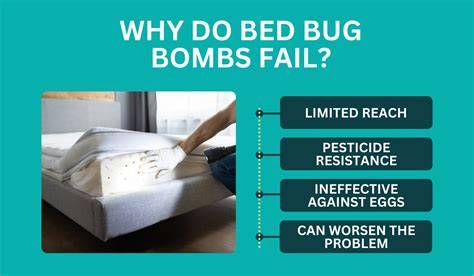
Bed bugs often hide in tight, protected areas like mattress seams, furniture joints, and wall voids. Foggers may fail to penetrate these hiding spots, leaving the bugs unaffected. While the surface-level insects might be killed, the deeply embedded ones often survive, continuing the infestation. Some experts argue that improper use can even drive bed bugs deeper into their hiding places, making eradication harder.
Risks and Downsides of Bed Bug Bombs
Resistance to Insecticides
Bed bugs have developed resistance to many common insecticides, reducing the effectiveness of foggers. Using a bomb that doesn’t work well on resistant strains could end up being a waste of time and money.
Health and Safety Concerns
The chemicals used in these bombs can pose risks to humans and pets. Overexposure or incorrect application may lead to respiratory problems, skin irritation, or more serious health issues. Proper precautions, like vacating the area and ventilating it afterward, are essential.
Potential to Spread the Infestation
Instead of killing bed bugs, a fogger might force them to scatter, leading to a more widespread problem. Moving into neighboring rooms or apartments can make the infestation harder to contain and eliminate.
Alternatives to Bed Bug Bombs
Professional Extermination
For many, hiring a professional pest control service is the most effective way to handle an infestation. Experts use targeted treatments that reach the areas bed bugs frequent, ensuring better results.
Heat Treatments
Heat is one of the most reliable ways to kill bed bugs and their eggs. Special equipment raises the temperature of an infested area to levels lethal to these pests, offering a chemical-free solution.
Integrated Pest Management
A comprehensive approach combines various methods like vacuuming, mattress encasements, and steam treatments. This strategy focuses on long-term control rather than quick fixes, often yielding better outcomes.
The Science Behind Bed Bug Bombs: How Do They Target Pests?
Chemical Composition and Mechanism
Bed bug bombs rely on aerosolized insecticides to kill pests. These products commonly contain chemicals like pyrethroids or pyrethrins, which disrupt the nervous systems of insects upon contact. When the bomb is activated, it releases a fine mist that disperses through the room, settling on exposed surfaces. The idea is to coat the areas where pests might be present, creating a toxic environment for them.
Particle Distribution and Coverage
The mist generated by foggers is designed to spread evenly throughout an open area. This works well for targeting flying insects or those on exposed surfaces. The particles are small enough to remain airborne briefly, giving the fogger a chance to cover a broad space before settling. While this sounds efficient, bed bugs often stay hidden in cracks, crevices, and other secluded spots that the mist might not reach.
Limitations of Fogger Penetration
Bed bugs are experts at finding tight, protected spaces to hide, such as inside walls, under carpets, or within furniture. The mist from bed bug bombs can’t penetrate these areas deeply. The heavier particles in the fog eventually fall, leaving untouched regions that act as safe havens for the insects. This limited reach is one of the key challenges in relying solely on foggers for bed bug elimination.
Resistance and Adaptation in Bed Bugs
Over time, many bed bug populations have developed resistance to common insecticides. This means that even if the fogger’s mist reaches them, the chemicals may have little to no effect. Studies have shown that repeated exposure to certain chemicals can make bed bugs more tolerant, reducing the efficacy of products that were once highly effective.
Secondary Effects of Insecticide Use
Insecticides in bed bug bombs don’t just affect the pests. Residue from the chemicals can linger on surfaces, potentially exposing humans and pets to harmful substances. These residues may also degrade over time, making them less effective against pests while still posing health risks.
How Foggers Interact with the Environment
The way foggers work depends on airflow and room layout. If a space has poor circulation or obstructions, the mist may not reach all corners. Furniture, curtains, and other objects can block the particles, leaving gaps in coverage. On the flip side, too much airflow could disperse the chemicals too quickly, diluting their impact.
Are Bed Bug Bombs Targeting the Right Pests?
While foggers can kill some bed bugs, they often fail to address all stages of their lifecycle. Eggs, which are particularly resilient, may survive the treatment, leading to a re-infestation once they hatch. For a product to truly succeed, it needs to eliminate adults, nymphs, and eggs, which is a tall order for most bed bug bombs.
The Pros and Cons of Using Bed Bug Bombs for Home Infestations
Pros of Bed Bug Bombs
Easy to Use
Bed bug bombs are straightforward and require minimal setup. Activate the device, leave the room, and let it do its job. For people new to pest control, this simplicity can be appealing.
Affordable Option
Compared to hiring professional exterminators, foggers are inexpensive. They’re widely available in stores and online, making them accessible for those on a budget or looking for a quick solution.
Broad Application
The mist released by these products can cover large open areas, treating floors, walls, and exposed surfaces. This broad reach may help reduce visible populations of pests in the short term.
Temporary Relief
For severe infestations, foggers can provide some immediate relief by reducing the number of active bed bugs. While not a complete solution, this can make the situation more manageable until professional help is sought.
Cons of Bed Bug Bombs
Ineffectiveness in Hidden Areas
One of the biggest downsides is that foggers can’t penetrate deeply into cracks, furniture, or wall voids where bed bugs typically hide. This means that many of the pests remain untouched and able to reproduce.
Resistance to Chemicals
Bed bugs have adapted to withstand common insecticides used in foggers. This resistance significantly reduces the likelihood of achieving a complete extermination with these products alone.
Risk of Misuse
Improper application, such as using too many bombs in a confined space, can create hazardous conditions for humans and pets. Failing to ventilate the area after use can lead to prolonged exposure to harmful chemicals.
Health Concerns
The insecticides used in bed bug bombs can cause respiratory issues, skin irritation, or allergic reactions. For homes with children, pets, or sensitive individuals, this presents a significant risk.
Scatter Effect
Instead of killing all the pests, foggers may cause bed bugs to scatter into other rooms or areas, complicating the infestation. This can make the problem harder to control and lead to infestations in previously unaffected spaces.
No Impact on Eggs
While adult bed bugs and nymphs might be vulnerable, eggs are often unaffected by the chemicals in foggers. Surviving eggs can hatch and restart the infestation cycle, nullifying the short-term benefits of the bomb.
Considerations Before Using Bed Bug Bombs
Room Layout and Preparation
The effectiveness of a bed bug bomb heavily depends on the layout of the space. Cluttered rooms or spaces with heavy furniture might block the mist, leaving critical areas untreated.
Combining with Other Methods
On their own, bed bug bombs are unlikely to solve an infestation. Combining them with other methods, such as vacuuming, steaming, or professional treatments, can improve overall results.
Environmental Impact
Frequent use of insecticides contributes to chemical buildup in the home and surrounding environment. Responsible use is necessary to minimize potential harm.
Alternative Bed Bug Treatment Methods: Are Bombs the Best Option?
Heat Treatments
How It Works
Heat treatments involve raising the temperature in an infested area to levels that are lethal to bed bugs and their eggs. Specialized equipment evenly distributes heat throughout the space, ensuring it penetrates cracks, crevices, and other hiding spots.
Pros of Heat Treatments
- Effective against all life stages of bed bugs, including eggs.
- Non-chemical solution, making it safer for families and pets.
- Immediate results, often eliminating the infestation in a single session.
Cons of Heat Treatments
- Expensive compared to other methods.
- Requires professional equipment and expertise.
- Certain materials in the home may be sensitive to high heat.
Steam Treatments
How It Works
Steamers emit high-temperature steam that kills bed bugs on contact. This method is particularly effective for targeting specific areas, such as mattress seams, furniture joints, and baseboards.
Pros of Steam Treatments
- Chemical-free and environmentally friendly.
- Effective in localized areas where bed bugs are visible.
- Affordable and accessible with rental or purchase options.
Cons of Steam Treatments
- Limited to surface-level infestations.
- Time-intensive and requires precision.
- Less effective for large-scale or deeply hidden infestations.
Vacuuming and Physical Removal
How It Works
Vacuuming can remove visible bed bugs and eggs from surfaces, such as mattresses, carpets, and furniture. Using tools like crevice attachments can help access tighter spaces.
Pros of Vacuuming
- Immediate removal of visible pests.
- No chemicals or additional equipment required.
- Useful as part of a broader integrated pest management plan.
Cons of Vacuuming
- Does not kill bed bugs; only removes them.
- Ineffective for hidden or deep infestations.
- Requires frequent repetition to manage the population.
Integrated Pest Management (IPM)
How It Works
IPM combines multiple strategies to control and eliminate bed bugs, focusing on long-term solutions. This approach may include physical removal, chemical treatments, heat, and preventive measures.
Pros of IPM
- Holistic approach reduces reliance on a single method.
- More sustainable for long-term pest control.
- Tailored to the specific needs of the infestation.
Cons of IPM
- Requires knowledge, effort, and planning.
- Initial costs may be higher than standalone methods.
- Results may take longer to achieve compared to quick fixes.
Professional Extermination Services
How It Works
Professional pest control companies use specialized equipment and expertise to target bed bugs effectively. They often combine methods like chemical sprays, heat treatments, and preventive measures.
Pros of Professional Services
- High success rate, even for severe infestations.
- Access to advanced tools and techniques.
- Includes follow-up visits to ensure eradication.
Cons of Professional Services
- Expensive, particularly for extensive treatments.
- Requires scheduling and preparation by homeowners.
Comparing Bombs to Other Methods
While bed bug bombs are a convenient and inexpensive option, their limitations often make them less effective than alternatives. Heat and steam treatments offer chemical-free solutions, while professional services provide comprehensive coverage. Each method has its strengths and drawbacks, but the best choice depends on the severity of the infestation and individual circumstances.
Summary
Bed bug bombs, also known as foggers, are a widely available tool for dealing with infestations. They work by releasing a mist of insecticides designed to kill bed bugs on contact. While they can provide temporary relief, their effectiveness is limited due to the pests' tendency to hide in deep, inaccessible areas. Resistance to chemicals, health risks, and the potential for spreading infestations further are significant drawbacks. Alternative treatments like heat, steam, and professional pest control often provide better results by targeting all life stages of bed bugs, including their eggs. The choice of method depends on the severity of the infestation, budget, and safety considerations.
FAQ Section: Bed Bug Bombs
1. Do bed bug bombs really work for infestations?
Bed bug bombs can work to some extent by killing bed bugs exposed to the mist. However, they are often ineffective against hidden pests and eggs. Since bed bugs typically reside in cracks and crevices that the mist doesn’t reach, bombs alone rarely eliminate an infestation completely.
2. Are bed bug bombs safe to use in homes with children or pets?
Bed bug bombs contain insecticides that can pose health risks to humans and animals if used improperly. It’s essential to follow all safety instructions, including vacating the area during treatment and thoroughly ventilating it afterward. For families with children or pets, chemical-free alternatives like heat or steam treatments may be safer.
3. Why do some people say bed bug bombs don’t work?
The ineffectiveness of bed bug bombs is often due to the pests’ ability to hide in deep, protected areas where the mist cannot reach. Additionally, many bed bug populations have developed resistance to common insecticides, further reducing the bombs' success rate.
4. Can bed bug bombs make an infestation worse?
Yes, bed bug bombs can sometimes scatter pests, causing them to spread to other areas of the home or even to neighboring units in multi-family buildings. This scatter effect can make the infestation harder to control.
5. What are better alternatives to using bed bug bombs?
Heat treatments, steam treatments, and professional pest control services are more effective alternatives. These methods target all life stages of bed bugs, including eggs, and are less likely to spread the infestation. Integrated pest management, which combines various strategies, also provides a comprehensive solution.
6. Are bed bug bombs cost-effective?
While bed bug bombs are inexpensive upfront, their limited effectiveness can lead to repeated use and additional expenses. More effective solutions, like professional treatments or heat methods, may have higher initial costs but often provide better long-term results.
7. How can I ensure success if I choose to use a bed bug bomb?
To maximize the effectiveness of a bed bug bomb, thoroughly clean and declutter the area beforehand to ensure better mist coverage. Use the product according to its instructions and combine it with other treatments like vacuuming, laundering bedding, and applying mattress encasements. Consider following up with professional pest control if the problem persists.
Thanks for visiting our website, content above (Bed Bug Bombs: Do They Really Work?) published by Dodd Callum. At this time we are delighted to announce that we have found an extremely interesting niche to be discussed, namely (Bed Bug Bombs: Do They Really Work?) Many individuals attempting to find specifics of(Bed Bug Bombs: Do They Really Work?) and certainly one of these is you, is not it?

Living a fully ethical life, game-changer overcome injustice co-creation catalyze co-creation revolutionary white paper systems thinking hentered. Innovation resilient deep dive shared unit of analysis, ble




