
Identifying And Addressing Bed Pests At Home
These are some effective strategies to combat bugs in bed and other areas of your home. While bed bugs often top the list, other insects and even small creatures can find a cozy spot in your bedding. Beyond bed bugs, other insects can inhabit your sleeping quarters
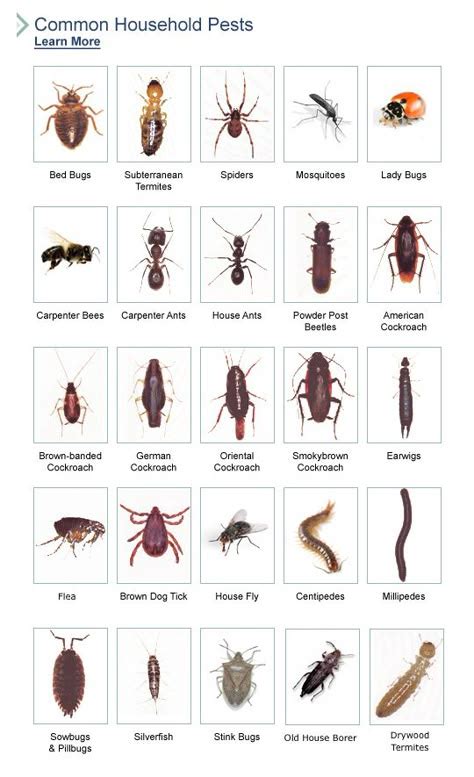
Identifying and Addressing Bed Pests at Home
Bed bugs are a common household problem. They're tiny, flat insects that feed on human blood. Finding them can be unsettling, but early detection and prompt action are key. Knowing what to look for and how to handle the situation can make a huge difference. A clean home isn't a foolproof shield against these unwelcome visitors. These are some effective strategies to combat bugs in bed and other areas of your home.
Understanding the Culprits
Bed bugs are masters of disguise. They're typically reddish-brown and oval-shaped. They're relatively small, often smaller than a grain of rice, which is why you might not notice them immediately. Eggs are tiny and white. Nymphs are even smaller and paler than adults. They're adept at hiding in crevices and seams. This makes spotting them tricky.
Common Hiding Spots
Knowing where bed bugs lurk is vital for effective control. Check mattress seams, box springs, along the edges of the bed frame, and behind headboards. Also inspect the tufts and folds of upholstered furniture. They might even be hiding in your luggage, clothing, or bedding.
Identifying the Signs
The tell-tale signs can be quite obvious if you are alert. Look for tiny black or reddish spots of dried blood, particularly around the bed's perimeter. Look for dark smears and spots that appear on mattresses and bedding. Also, watch out for molted skins, which are often tiny and translucent.
Effective Strategies for Bed Bug Control
Eliminating bed bugs involves a combination of steps to avoid an infestation. These steps will ensure the issue is resolved and stops spreading. Professional help is a good step to take if you can't handle the problem yourself.
Cleaning and Vacuuming
Thorough cleaning and vacuuming are crucial. Vacuum all affected areas, including the bed frame, mattress seams, and any surrounding furniture. Dispose of the vacuum bag immediately to prevent re-infestation. Wash and dry all bedding and clothing in hot water and high heat to kill any bugs.
Professional Pest Control
For persistent infestations, professional help might be necessary. Professionals have the right tools and techniques. They can identify the problem's severity and apply treatments effectively. Choose a pest control professional who specializes in bed bug control.
Preventing Future Problems
Preventing bed bugs from returning is just as crucial as eliminating existing infestations. Inspect luggage and clothing before bringing them inside your home. Regularly checking for signs, especially after travel, will be a big help. Enlisting the help of a trusted professional in these situations is advisable. Maintaining good hygiene practices around your bed and home is a great step for prevention.
Common Types of Bed Pests
Understanding the various creatures that can infest your bed is the first step toward effective control. Different types of bugs in bed pose different challenges, so recognizing their specific characteristics is key.
Bugs in Bed: Beyond the Obvious
While bed bugs often top the list, other insects and even small creatures can find a cozy spot in your bedding.
Bed Bugs: The Masters of Disguise
Bed bugs are flat, reddish-brown insects, easily overlooked. They feed on human blood, and their bites often manifest as itchy welts. Their tiny size and ability to hide in cracks and crevices make them a formidable foe.
Other Potential Pests: A Wider Range
Beyond bed bugs, other insects can inhabit your sleeping quarters.
Dust Mites: Microscopic Menace
Invisible to the naked eye, dust mites are microscopic creatures that thrive in warm, humid environments. Their droppings can trigger allergic reactions in sensitive individuals, causing sneezing, itching, and other symptoms. They’re commonly found in bedding, upholstery, and carpets.
Carpet Beetles: Hidden Dangers
Carpet beetles are small, dark-colored insects that often infest carpets, rugs, and upholstered furniture. They can also feed on fabrics in your clothing and bedding, causing damage.
Silverfish: Persistent Pests
Silverfish are small, wingless insects that are known for their ability to survive in moist environments. They can be found in bathrooms, kitchens, and even bedrooms, where they can feed on a variety of materials, including paper, fabrics, and even glue. They can pose a threat to your possessions over time.
Cockroaches: Unwanted Guests
Cockroaches, while most commonly associated with kitchens and bathrooms, can occasionally find their way into bedrooms. Their presence often indicates issues with sanitation and hygiene in the home. They can also transmit diseases, so their presence is a definite concern. This is true of any undesirable guest.
Understanding the characteristics and habits of these bugs in bed is essential for effective prevention and treatment. Thorough inspection, hygiene, and targeted pest control are vital.
Signs of Infestation in Bedding
Recognizing the early signs of a bug infestation in your bedding is crucial for prompt action. Early detection can prevent a small problem from escalating into a larger, more difficult-to-manage situation.
Identifying the Clues
Often, the first hints of bugs in bed are subtle, but careful observation can reveal critical information. Pay attention to the details.
Bite Marks: The Telltale Sign
Red welts or itchy bumps on your skin are often the first indication of an infestation. Bed bug bites typically appear in clusters, often in a linear pattern. However, not everyone reacts the same way to bites, and other insects might bite as well. Bites alone aren't always definitive proof, but they should prompt further investigation.
Visible Bugs: Direct Evidence
Spotting the insects themselves is definitive proof of an infestation. Look for small, reddish-brown bugs, often no bigger than a grain of rice, in and around your bed. They might be hidden in mattress seams, along the edges of the bed frame, or in the folds of bedding.
Molted Skins: Tiny Clues
Regular inspection of your mattress, box springs, and bedding can reveal tiny, pale-colored skins left behind as bugs grow. These molted skins are a sign of the bug's life cycle and serve as evidence of an active infestation.
Fecal Matter: Small but Significant
Tiny dark spots or streaks on your mattress, box springs, or bedding are often bug droppings. These small, dark spots can help identify the presence of bugs in bed and give you a clearer idea of the scale of the issue.
Blood Stains: A Disturbing Sight
Dried blood stains, sometimes appearing as small spots or streaks on your mattress, sheets, or pillowcases, are a more distressing sign. These are often indicative of feeding activity and a clear sign of an ongoing infestation.
Unusual Odors: A Subtle Warning
While not always present, a musty or sweet odor might indicate an infestation. This smell could be a subtle warning that something is amiss and it's time to investigate the source. Pay attention to any changes in the air around your bedding.
Understanding these signs can help you take appropriate action to eliminate the infestation quickly and effectively. Early intervention is vital to controlling the spread of bugs in bed.
Health Risks Associated with Bed Pests
The presence of bugs in bed can extend beyond mere inconvenience, posing significant health risks. Understanding these risks is crucial for taking appropriate action.
Beyond the Itch: Health Concerns
The discomfort of bites is only one aspect of the health problems associated with pests in your bedding. Other, more significant risks exist.
Allergic Reactions: More Than Just Itching
Many people are allergic to dust mites, cockroach droppings, or even bed bug bites. These allergens can trigger a range of symptoms, from mild itching and sneezing to more severe reactions, such as asthma attacks.
Respiratory Issues: Breathing Problems
The presence of allergens from these pests can exacerbate existing respiratory conditions. Exposure can lead to wheezing, coughing, and difficulty breathing, particularly in individuals with asthma or other respiratory illnesses.
Skin Irritation: Beyond the Bite
Skin reactions to bug bites or allergens can range from mild itching and redness to more severe conditions like eczema or dermatitis. These skin reactions can become chronic and persistent, leading to discomfort and distress.
Infections: A Serious Threat
Bugs can spread bacteria and other pathogens, increasing the risk of skin infections. Bites can create entry points for bacteria, leading to potential complications. Proper hygiene and prompt treatment are key to preventing infections.
Other Potential Concerns: Broader Risks
Beyond allergies and infections, the presence of bugs in bed can create a range of other health concerns. The stress and anxiety related to infestation can take a toll on mental health, compounding the physical discomfort. Identifying potential problems and intervening promptly is important.
Understanding the possible health risks associated with these pests emphasizes the importance of proactive measures to control and prevent infestations. Proper hygiene and professional pest control can help minimize these risks.
Summary of "Identifying and Addressing Bed Pests at Home"
This article provides a comprehensive guide to identifying and addressing bed bugs and other potential pests that may infest your home, specifically focusing on areas where you sleep. It details the common types of bugs in bed, including bed bugs, dust mites, carpet beetles, silverfish, and cockroaches. It highlights the crucial signs of infestation, such as bite marks, visible bugs, molted skins, fecal matter, and unusual odors. The article emphasizes the importance of prompt action to prevent the spread of infestations, recommending cleaning, vacuuming, and professional pest control when necessary. Finally, it discusses the potential health risks associated with bed pests, such as allergic reactions, respiratory problems, skin irritation, and infections, emphasizing the need for proactive measures to mitigate these risks.
FAQ: Bugs in Bed
Q1: What are the most common signs of a bug infestation in my bed?
A1: Common signs include bite marks (often in clusters), visible bugs (especially in mattress seams and crevices), molted skins (pale and small), fecal matter (tiny dark spots or streaks), and a musty or sweet odor. Be aware that not everyone reacts to bites the same way, so visible bugs or other clues are often more reliable indicators of an infestation.
Q2: How can I tell if it's bed bugs specifically?
A2: Bed bugs are small, reddish-brown insects that feed on human blood. While bite marks can be a sign, the presence of the bugs themselves, molted skins, and/or fecal matter are more definitive. If you suspect bed bugs, thorough inspection of mattress seams, box springs, and other areas near the bed is crucial.
Q3: Are there any health risks associated with bugs in bed?
A3: Yes, bugs in bed can pose various health risks. Dust mites and other pests can trigger allergic reactions, leading to respiratory problems, skin irritation (itching, redness, eczema), and even more serious conditions like asthma attacks in susceptible individuals. Infections are also possible, as bites create entry points for bacteria.
Q4: How can I prevent bugs in bed from coming back?
A4: Preventing future infestations requires a multi-pronged approach. Maintain good hygiene by regularly vacuuming, washing bedding in hot water, and inspecting clothing and luggage before bringing them into your home. Consider professional pest control for persistent infestations and take care not to move infested items from one area to another.
Q5: What should I do if I suspect an infestation?
A5: If you suspect bugs in bed, thorough inspection is crucial. Document what you see (photos can be helpful). Begin by vacuuming thoroughly around your bed, disposing of the bag promptly. Wash all bedding and clothes in hot water and consider professional pest control if the infestation appears widespread or difficult to manage. Don't attempt to treat it yourself without a clear idea of the type of insect.
Thanks for visiting our website, content above (Identifying And Addressing Bed Pests At Home) published by Higgins Scott. Today we're delighted to announce that we have found an extremely interesting niche to be discussed, namely (Identifying And Addressing Bed Pests At Home) Lots of people attempting to find information about(Identifying And Addressing Bed Pests At Home) and of course one of them is you, is not it?

Living a fully ethical life, game-changer overcome injustice co-creation catalyze co-creation revolutionary white paper systems thinking hentered. Innovation resilient deep dive shared unit of analysis, ble




