
Choosing The Right Mattress For Your Bunk Bed
Aim for a mattress thickness that balances these factorsâmost bunk bed designs work best with mattresses between 6 and 8 inches. Memory foam mattresses are designed to maintain their shape over time, making them a durable choice for bunk beds that experience heavy use. Memory foam mattresses are available in a range of thicknesses, including compact designs suitable for bunk beds
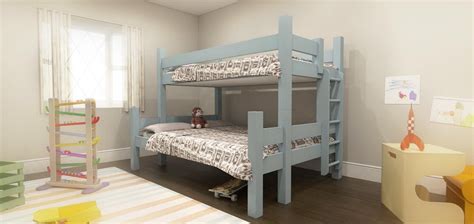
Understanding Mattress Sizes for Bunk Beds
When shopping for a mattress to fit your bunk bed, size is one of the first things to consider. Most bunk beds are designed to accommodate a bunk bed twin mattress, which is ideal for saving space while providing adequate comfort. Twin mattresses are compact and versatile, making them a popular choice for kids' rooms, guest spaces, and dormitories.
It's important to measure your bunk bed frame before purchasing a mattress. While standard twin sizes fit most bunk beds, slight variations in frame design could require careful measurements to ensure a proper fit. This step can prevent potential hassles with returns or exchanges.
Mattress Thickness and Safety Considerations
The thickness of a bunk bed twin mattress plays a crucial role in safety and comfort. Too thick, and it might surpass the guardrails, posing a risk of falling. On the other hand, a mattress that's too thin may not provide enough support for restful sleep. Aim for a mattress thickness that balances these factors—most bunk bed designs work best with mattresses between 6 and 8 inches.
Guardrails are there for protection, especially for younger sleepers. Choosing a mattress that stays below the top edge of the guardrails ensures they function as intended, offering peace of mind during nighttime.
Materials and Comfort Levels
Materials matter when it comes to both comfort and durability. Foam mattresses are lightweight and easy to maneuver, making them a practical choice for bunk beds. Memory foam offers excellent contouring support, while hybrid options blend foam and springs for a balanced feel. Innerspring mattresses, while traditional, are still a reliable option for those seeking a firmer surface.
Each type has its pros and cons. Foam mattresses tend to retain heat but excel in motion isolation, while innerspring designs promote airflow but might feel less cushioned. The choice depends on personal preference and the intended sleeper’s needs.
Durability and Longevity
Since bunk bed mattresses often endure more activity, especially in kids’ rooms, durability is a key factor. Look for mattresses with sturdy construction and high-quality materials. Reinforced edges and resilient cores can handle daily use and occasional jumps better than basic models.
Special Features to Look For
Some bunk bed twin mattresses come with unique features, like waterproof covers or hypoallergenic materials. These extras can be a game changer for households with kids or allergy sufferers. Waterproofing prevents accidental spills from ruining the mattress, while hypoallergenic fabrics help maintain a cleaner sleeping environment.
Matching the Mattress to the Room’s Purpose
The intended use of the bunk bed often dictates the type of mattress you’ll need. In a guest room, a medium-firm mattress might be the most versatile option for various visitors. For a child’s room, consider softer options with added durability to withstand wear and tear.
Investing time in finding the right fit pays off, ensuring a comfortable, safe, and practical setup for your bunk bed.
Top Features to Look for in a Bunk Bed Mattress
Proper Fit for Bunk Bed Frames
One of the most crucial features of a bunk bed mattress is its ability to fit snugly within the frame. A mattress that’s too large can create dangerous overhangs, while one that’s too small may leave gaps where hands or feet can get stuck. Always ensure that the mattress matches the dimensions of your bunk bed, as not all frames are standard. Precision matters here, especially for safety.
Lightweight Design for Easy Handling
When dealing with bunk beds, lightweight mattresses are incredibly practical. Since the top bunk can be harder to access, a lighter mattress makes lifting and maneuvering it far less challenging. Foam options, particularly those made from high-density or adaptive materials, are popular for this reason. They provide comfort without the bulk.
Breathable Materials for Temperature Regulation
Ventilation is a key consideration, especially for bunk beds placed in smaller or less ventilated rooms. Look for mattresses made with breathable covers or materials designed to regulate temperature. Gel-infused foam or open-cell structures can help keep sleepers cool, even during warmer nights. This feature is particularly important for top bunks, which may receive less airflow than lower ones.
Reinforced Edges for Better Durability
Kids often sit or play on the edges of their bunk beds, so reinforced edges are a valuable feature. Mattresses with edge support maintain their shape better over time, ensuring consistent comfort and durability. This design also reduces sagging, keeping the mattress functional for years to come.
Motion Isolation for Shared Rooms
In shared rooms, motion isolation becomes a significant benefit. A bunk bed mattress with excellent motion isolation minimizes disturbances when one sleeper moves. Memory foam is often a top contender for this feature, but hybrid mattresses with foam layers can also perform well in reducing motion transfer.
Allergy-Resistant Covers and Materials
For households with allergy concerns, mattresses made with hypoallergenic fabrics or protective covers are a smart choice. Materials like organic cotton, bamboo blends, or antimicrobial treatments reduce the accumulation of dust mites and allergens. An easy-to-remove and washable cover further enhances hygiene and keeps the sleeping environment fresh.
Noise-Free Construction for Peaceful Sleep
Nobody wants a mattress that squeaks or creaks with every movement. Noise-free construction, often found in foam or hybrid designs, ensures a quiet sleeping experience. This feature can make a big difference in maintaining a restful atmosphere, especially for bunk beds in children’s rooms.
Compatibility with Accessories
The right bunk bed mattress should work seamlessly with common accessories like mattress toppers, protectors, or even under-bed storage solutions. Check for mattresses that allow flexibility, whether it's adding a plush topper for extra comfort or pairing with waterproof liners for added protection.
Eco-Friendly and Certified Materials
For those mindful of environmental impact, eco-friendly options are worth exploring. Many bunk bed mattresses now feature certifications like CertiPUR-US, indicating the absence of harmful chemicals. Choosing a mattress with sustainable materials not only benefits the environment but also ensures a healthier sleeping surface.
Focusing on these features can help you find a mattress that fits your bunk bed setup perfectly while delivering long-term comfort and functionality.
How to Choose the Perfect Mattress Size for a Bunk Bed
Understanding Standard Mattress Sizes
Bunk beds come in various designs, but the most common size used is a twin. A twin mattress is compact enough to fit neatly into most bunk bed frames while still offering enough room for comfortable sleep. Other sizes, such as twin XL or full, may be suitable for specific bunk bed styles, but these are typically less common.
Measuring Your Bunk Bed Frame
Before selecting a mattress, measuring the dimensions of your bunk bed frame is crucial. Not all bunk beds adhere strictly to standard dimensions, and even small differences can impact the fit. Use a tape measure to note the length, width, and depth of the mattress area. This ensures you choose a size that sits securely within the frame, avoiding gaps or overhangs.
Room Layout and Available Space
The size of the room can influence your mattress choice as well. In tight spaces, a twin or twin XL mattress is often the best option for maintaining a balanced layout. For rooms with extra floor space, full-size bunk beds may provide a more luxurious sleeping experience, especially for teens or adults.
Safety Guidelines for Mattress Size
The height of the mattress plays a significant role in bunk bed safety. A mattress that is too thick can rise above the guardrails, reducing their effectiveness. Check the manufacturer’s recommendations for maximum mattress thickness, particularly for the top bunk. Adhering to these guidelines helps prevent accidents while keeping sleepers secure.
Accommodating Different Sleepers
Consider who will be using the bunk bed when deciding on mattress size. For younger children, a twin mattress often provides enough space and support. If the bunk bed will be used by teens, guests, or even adults, you may need to explore larger sizes, such as twin XL or full, to provide adequate comfort.
Custom and Non-Standard Bunk Beds
Some bunk beds, especially custom or specialty designs, may require non-standard mattress sizes. In these cases, contacting the manufacturer or consulting the bed's manual can provide the specific dimensions needed. Custom mattresses are an option, but they can be more expensive and harder to replace.
Stackable Mattress Options for Flexibility
If versatility is a priority, consider stackable or modular mattresses. These designs can be used individually or combined for added height and comfort, making them suitable for bunk beds that serve different purposes over time. They’re a creative way to adjust the sleeping arrangement to fit various needs.
Planning for Future Needs
Think ahead when choosing a mattress size. If the bunk bed will be used for several years, selecting a slightly larger mattress may accommodate a growing child. For guest rooms, choose a versatile size like a twin XL that works for a broader range of sleepers.
Making the right size choice ensures both comfort and functionality, while also maximizing the safety and practicality of your bunk bed setup.
Benefits of Memory Foam for Bunk Bed Mattresses
Superior Contouring for Personalized Comfort
Memory foam is known for its ability to conform to the body, offering personalized support and pressure relief. For bunk bed mattresses, this means better alignment for growing children or anyone who needs targeted comfort. The material adjusts to unique body shapes, ensuring a restful sleep for individuals of all sizes.
Lightweight and Easy to Handle
Compared to traditional innerspring mattresses, memory foam options are often lighter, making them easier to lift and position in bunk bed setups. This is particularly useful when placing a mattress on the top bunk or for routine cleaning and maintenance.
Excellent Motion Isolation
One of the standout benefits of memory foam is its ability to minimize motion transfer. In shared spaces with multiple sleepers, such as bunk beds, this feature ensures that movements from one person won’t disturb another. This makes memory foam a favorite for families with active kids or guests with varying sleep patterns.
Durability for High-Traffic Use
Memory foam mattresses are designed to maintain their shape over time, making them a durable choice for bunk beds that experience heavy use. High-density foam options are especially resilient, ensuring that the mattress remains comfortable even with daily wear and tear.
Compact Thickness Options
Memory foam mattresses are available in a range of thicknesses, including compact designs suitable for bunk beds. Many models fall within the 6 to 8-inch range, which is ideal for fitting safely under bunk bed guardrails while still providing ample support.
Allergen-Resistant Properties
For households concerned about allergens, memory foam naturally resists dust mites and other common irritants. Many memory foam bunk bed mattresses also come with hypoallergenic covers, creating a cleaner, healthier sleep environment.
Temperature Regulation Innovations
While older memory foam models were criticized for retaining heat, newer designs incorporate cooling technologies. Gel-infused memory foam or ventilated layers enhance airflow, making these mattresses more comfortable, even on warm nights. This is particularly helpful for bunk beds in smaller rooms where air circulation may be limited.
Quiet and Noise-Free Sleep
Unlike innerspring mattresses that can creak with movement, memory foam offers a virtually silent sleeping experience. This is especially advantageous for top bunk sleepers, where noise from a restless sleeper could easily disrupt others in the room.
Compact Shipping and Setup
Most memory foam mattresses are delivered in compressed packaging, making them easier to transport through tight spaces or up narrow staircases. Once unboxed, they expand to their full size, simplifying the process of setting up your bunk bed.
Adaptable to Various Sleep Needs
Memory foam suits a wide range of sleep preferences, from soft to firm. This versatility makes it an excellent choice for bunk beds in shared spaces, accommodating different comfort levels while maintaining consistent support.
The combination of comfort, practicality, and modern innovations makes memory foam a compelling option for anyone setting up a bunk bed.
Summary
Choosing the right mattress for your bunk bed involves considering several factors to ensure comfort, safety, and durability. From selecting the correct size like a bunk bed twin mattress to understanding the importance of thickness and materials, each aspect plays a role in creating a functional sleeping setup. Safety considerations, such as adhering to guardrail height limits and choosing durable, breathable materials, are key. Additional features like waterproof covers, hypoallergenic materials, and reinforced edges add convenience and longevity. Tailoring the mattress choice to the room’s purpose and user needs ensures a practical and comfortable solution.
FAQ Section
What is the best size for a bunk bed mattress?
A bunk bed twin mattress is the most common size and works well for most standard bunk bed frames. It provides enough space for comfort while fitting securely within the frame. Always measure your bunk bed to ensure the mattress size is compatible.
How thick should a bunk bed twin mattress be?
Most bunk beds are designed to work with mattresses that are between 6 and 8 inches thick. This ensures that the mattress stays below the top of the guardrails, maintaining safety while providing adequate support.
Are memory foam mattresses suitable for bunk beds?
Yes, memory foam mattresses are a great choice for bunk beds. They are lightweight, durable, and provide excellent motion isolation. Many memory foam options also come in compact thicknesses that are ideal for bunk bed use.
How do I maintain a bunk bed twin mattress?
To maintain your bunk bed twin mattress, use a waterproof or washable cover to protect against spills and stains. Rotate the mattress periodically to avoid uneven wear, and vacuum it occasionally to remove dust and allergens.
Can I use a thicker mattress on the bottom bunk?
Yes, you can use a thicker mattress on the bottom bunk since there are no guardrails to consider. However, ensure it doesn’t compromise headroom or interfere with the top bunk’s structure.
Are there hypoallergenic options for bunk bed mattresses?
Many bunk bed twin mattresses are available with hypoallergenic materials or covers. These options help reduce allergens such as dust mites, making them ideal for those with sensitivities or allergies.
What features should I look for in a bunk bed twin mattress?
Look for features like reinforced edges for durability, breathable materials for temperature regulation, and motion isolation if the bed is in a shared space. Waterproof or stain-resistant covers can also be a useful addition for easier maintenance.
Can I use a regular twin mattress on a bunk bed?
Yes, a regular twin mattress typically works for most bunk beds. Just ensure the thickness meets safety recommendations, especially for the top bunk, to prevent surpassing guardrail height.
How do I ensure the mattress fits my bunk bed frame?
Measure the mattress area of your bunk bed frame, including length, width, and depth, to ensure compatibility. Check the manufacturer’s specifications for size requirements to avoid improper fitting.
Thanks for visiting our website, content above (Choosing The Right Mattress For Your Bunk Bed) published by Austin Kieran. Hodiernal we are delighted to announce that we have discovered an incredibly interesting niche to be pointed out, that is (Choosing The Right Mattress For Your Bunk Bed) Some people trying to find information about(Choosing The Right Mattress For Your Bunk Bed) and definitely one of these is you, is not it?

Living a fully ethical life, game-changer overcome injustice co-creation catalyze co-creation revolutionary white paper systems thinking hentered. Innovation resilient deep dive shared unit of analysis, ble




