
Can Bed Bugs Live In Wood?
While bed bugs can be found near wooden structures, they don't actually burrow into or live within the wood itself. Instead of residing inside wood, bed bugs seek out tiny crevices and gaps where they can hide and lay their eggs. However, the wood itself isn't the primary habitat; itâs simply a part of the furniture which provides a surface for the bugs and their eggs
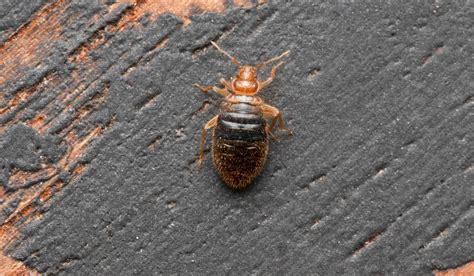
Can Bed Bugs Live in Wood?
So, you're wondering if those pesky bed bugs can set up shop in your wooden furniture or even the very structure of your home? It's a valid question, and the short answer is yes, kinda. They don’t live in wood in the way termites do, burrowing and eating it. Instead, they use wood as a convenient hiding place, a safe haven for their creepy little bodies. Think of cracks in bed frames, the gaps where floorboards meet the wall, and the underside of wooden furniture. These are all potential bed bug havens.
Bed Bugs and Their Habitat
These tiny insects aren't picky when it comes to finding shelter. They're after darkness, tight spaces, and proximity to their food source – you. Wood just happens to often provide that ideal combination. The fact that wood is a common building material in our homes makes it an easy target for bed bug infestation, not because they like to eat it.
Why Wood Is Appealing to Bed Bugs
Consider the intricate designs of many wooden bed frames. There are countless nooks and crannies that offer the perfect protected hideout. Think about it. These small bugs need to get out of the open, and they're not about to walk around exposed. Wood, with all its edges and joints, becomes an apartment complex for them. They also love the roughness of wood, which makes it easier for them to grip and climb.
Where To Look in Wood
When inspecting for bed bugs, don't just check your mattress. Look closely at the wooden parts of your bed, such as the frame, headboard, and any decorative elements. Check under chairs and tables, paying attention to any joints or seams. Floorboards can also be hiding spots, especially near walls or other furniture. You might see live bed bugs, or more likely, their shed skins or dark fecal spots. These are telltale signs.
Preventing Bed Bugs in Wood
Preventing an infestation is always easier than dealing with one. Being proactive involves regularly inspecting and cleaning. Vacuuming these areas, even those hard-to-reach spots, can help. Seal any cracks or gaps with caulk, limiting their hiding places. If you buy used furniture, especially wooden pieces, be extremely thorough with your inspection before bringing them into your home. A quick inspection can save you a lot of future trouble.
Burying the Truth: Can Bed Bugs Really Call Wood Home?
Dispelling the Myth
The common belief that bed bugs make their homes in wood is largely a misconception. While bed bugs can be found near wooden structures, they don't actually burrow into or live within the wood itself. Their preferred habitats are much closer to their food source: humans.
Where Bed Bugs Actually Hide
Instead of residing inside wood, bed bugs seek out tiny crevices and gaps where they can hide and lay their eggs. Think baseboards, wall cracks, furniture seams, and mattress edges – places offering protection and proximity to human hosts. These hiding spots are often near, but not inside, wooden structures.
Wood as a Conduit, Not a Home
Wood can indirectly contribute to bed bug infestations. Infested furniture can easily introduce bed bugs to a new environment. However, the wood itself isn't the primary habitat; it’s simply a part of the furniture which provides a surface for the bugs and their eggs.
Examining the Evidence
Research consistently shows bed bugs prefer soft materials and small spaces close to their food source. While wood might offer some structural support to a nearby infestation, it's not a suitable living environment for the insects.
Focusing on Realistic Hiding Places
Effective bed bug control focuses on eliminating harborages in areas where people sleep and spend the most time. Thorough inspections should target mattresses, box springs, bed frames, headboards (especially if wooden and with crevices), and surrounding furniture. The wood itself is less of a concern than the spaces associated with it.
The Importance of Accurate Information
Understanding where bed bugs actually live is crucial for effective pest management. Concentrating efforts on realistic hiding places, rather than searching within the wood itself, improves the chances of successful eradication.
The Wooden Web: How Bed Bugs Utilize Wooden Structures
Cracks and Crevices: A Bed Bug's Haven
Can bed bugs live in wood? Absolutely. Wood, particularly older, untreated wood, offers a plethora of hiding places for bed bugs. Tiny cracks and crevices, often unseen by the naked eye, provide perfect shelter. These spaces offer protection from insecticides and allow bed bugs to remain undisturbed during the day. The irregular surfaces of wood, unlike smooth surfaces like metal or glass, provide excellent grip and make movement easier for these small insects.
Structural Integrity and Infestations:
The structural integrity of wooden furniture and flooring plays a crucial role in infestation severity. Loose floorboards, gaps around skirting boards, and poorly sealed joints in wooden furniture offer direct pathways for bed bugs to travel throughout a structure. This interconnected network of hidden spaces allows for rapid infestation spread, making detection and eradication more challenging.
Wood Type and Bed Bug Habitation
While bed bugs don't feed on wood, the type of wood doesn't significantly influence their ability to inhabit it. However, the condition of the wood is paramount. Rotting or decaying wood, with its increased number of cracks and crevices, provides even more favorable conditions for bed bug nests. Similarly, porous woods may offer more suitable hiding spots than denser woods.
Beyond Furniture: Wooden Walls and Beams
The infestation isn't limited to furniture. Bed bugs can exploit spaces within wooden walls and beams. These areas can be particularly difficult to treat, requiring professional intervention. The complexity of these structures and the potential for nests deep within the walls makes thorough eradication crucial.
Detecting Bed Bugs in Wooden Structures
Identifying a bed bug infestation in wooden structures demands a meticulous inspection. Pay close attention to seams, joints, and any areas where wood meets other materials. Using a flashlight to illuminate cracks and crevices can help reveal bed bugs, their eggs, or fecal matter. Professional pest control is often necessary for complete eradication, especially in cases of significant infestation within wooden structures.
Checking the Cracks: Can Bed Bugs Survive Invisible Wood Pores?
The question of where bed bugs can hide is a persistent one for anyone dealing with an infestation. Beyond mattresses and furniture seams, the mind often wanders to the very structure of our homes: wood. But can these tenacious pests actually burrow into and survive within the wood itself, specifically within the minute pores? The reality is more nuanced than a simple yes or no.
Understanding Bed Bug Behavior
Before diving into wood pores, it's crucial to understand the typical behavior of Cimex lectularius, the common bed bug. They are not wood-boring insects. Unlike termites or carpenter ants, bed bugs lack the necessary mouthparts to chew through wood. They rely on existing cracks, crevices, and tight spaces for harborage, places where they can easily access blood meals from their human hosts.
What Attracts Bed Bugs to Wood?
While they can’t eat wood, bed bugs are often found on or near wooden surfaces for a few key reasons:
- Proximity to Hosts: Bed frames, headboards, and bedside tables are prime real estate simply because they are close to where humans sleep.
- Hiding Spots: Cracks and joins in wooden furniture, gaps where baseboards meet walls, and spaces behind picture frames mounted on wooden trim all offer the dark, secure environments bed bugs crave.
- Rough Surfaces: A slightly rough surface can be easier for bed bugs to grip than smooth materials. This can be a factor on unfinished or older wood.
The Truth About Wood Pores
Wood, despite its solid appearance, is naturally porous. These pores are tiny channels that facilitate the movement of water and nutrients within the tree when it is living. However, for bed bugs, these pores present a different set of challenges:
Are Wood Pores Viable Hiding Spots?
The crucial thing to remember is that wood pores are extremely small, often microscopic. Adult bed bugs are about ¼ inch long and relatively flat, making them capable of fitting into crevices and gaps. However, wood pores are simply too small for them to crawl into or reside in comfortably. While they might briefly wedge a leg or part of their body into the largest of pores, this doesn’t create a viable nesting location.
The Challenge of Moisture and Environment
Beyond the size restriction, wood pores also lack the ideal conditions for bed bug survival. Bed bugs require relatively consistent temperatures and humidity, and typically prefer dry environments. The internal environment of wood, especially when seasoned or used in furniture, is unlikely to offer that stability. Furthermore, wood pores do not readily offer a food source, nor do they allow for the easy aggregation that bed bugs prefer in harbourage sites.
The Danger of Treated Wood
Many wooden products used in homes undergo various treatments, often including varnishes, stains, or pressure treatment. These treatments further diminish the porosity of the wood, and in some cases, can create a surface that bed bugs find difficult to grip and move on. Treated wood is definitely not an environment conducive for harbourage within its pores.
Where Bed Bugs ACTUALLY Hide on Wood
While bed bugs are unlikely to be living within the wood, they are commonly found on and around wooden elements of your home. It’s essential to focus your inspection on these areas:
Cracks and Joints
The most likely locations are cracks, loose joints, nail holes, and areas where different pieces of wood meet. Bed frames are a common problem, requiring careful inspection where the frame components join together.
Behind Wooden Fixtures
Check behind pictures, mirrors, and other wall fixtures that are mounted to wooden walls. The gaps between the fixture and the wall can offer adequate hiding spaces.
Wood Panelling
The seams and gaps between wood panels are frequently utilized for harbourage. These areas are often overlooked in inspections and require careful scrutiny.
Here you are at our blogs, article above (Can Bed Bugs Live In Wood?) published by Cox Sebastian. Hodiernal we are excited to declare we have found an awfully interesting niche to be pointed out, that is (Can Bed Bugs Live In Wood?) Many people searching for details about(Can Bed Bugs Live In Wood?) and definitely one of them is you, is not it?

Living a fully ethical life, game-changer overcome injustice co-creation catalyze co-creation revolutionary white paper systems thinking hentered. Innovation resilient deep dive shared unit of analysis, ble




