
Diy Loft Beds: Transform Your Space With A Custom-Built Loft
A custom-built loft bed lets you tailor the design to fit your specific space, needs, and personal style. With the right tools and materials, you can create a sturdy, stylish loft bed tailored to your needs and space. Building a DIY loft bed allows you to customize the design to fit your specific space and style preferences
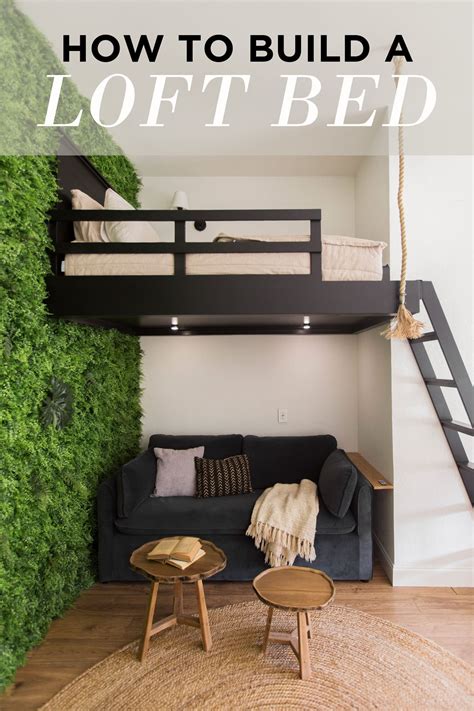
Create More Space with a Custom Loft Bed
A loft bed is the perfect solution for anyone looking to maximize a small space. By elevating the bed, you free up valuable square footage for storage, a desk, or even a cozy lounge area. Building your own loft bed not only saves money but also gives you the chance to create something tailored to your room and style. With a little planning and the right tools, you can transform your living space into a functional, stylish haven.
Tools and Materials You’ll Need
Before starting, gather the essential tools and materials to make the process smoother. Basic tools like a saw, drill, and measuring tape are non-negotiable. For materials, sturdy wood such as pine or oak works best for durability. You’ll also need screws, brackets, and sandpaper to ensure everything comes together securely and looks polished. Having a clear blueprint will make it easier to measure and cut your materials accurately.
Choosing the Right Design
Not all loft beds are created equal. Some designs include built-in storage, while others prioritize simplicity. Think about the purpose of the space underneath. Whether you want to create a mini home office or an organized wardrobe, the design you choose should reflect your needs. Sketch out your ideas or look for inspiration online to find a layout that matches your vision.
Step-by-Step Guide to Building
1. Measure Your Space
The first step is knowing your room dimensions. Ceiling height is crucial—leave enough clearance between the bed and the ceiling for comfort. Measure the width and length of the bed frame to ensure it fits the mattress and aligns with your floor space.
2. Build the Frame
Start by assembling the main frame. Use heavy-duty wood for the support beams to ensure stability. Secure the frame with screws and reinforce the corners with brackets. This part sets the foundation, so take your time to ensure it’s level and sturdy.
3. Add the Ladder and Safety Rails
A well-constructed ladder is a must for easy access. Use strong wood and attach it securely to the frame. For added safety, install guardrails around the bed. These rails are especially important if the loft will be used by children or in a shared space.
4. Finishing Touches
Once the structure is complete, sand down any rough edges to avoid splinters. Consider painting or staining the wood to match your room's decor. Adding personal touches, like string lights or decorative pillows, can make the space feel warm and inviting.
Creative Ideas for the Space Below
The area under your loft bed is a blank canvas waiting to be transformed. Use it as a cozy reading nook with a bean bag and bookshelves, or set up a workspace with a desk and storage bins. For kids, it can become a play area filled with toys and games. If storage is your priority, add drawers or shelves to keep things organized and clutter-free.
Maximize Your Room's Potential with a Loft Bed
A well-designed loft bed is a game-changer for optimizing small spaces. By elevating your sleeping area, you unlock endless possibilities for what lies below. Whether you live in a compact studio or want to make a shared bedroom more efficient, a loft bed can help you make the most of every square inch.
The Benefits of Going Lofted
Loft beds aren’t just for kids anymore. They’re versatile and functional for all ages, offering practical solutions for rooms where space is at a premium. By raising the bed, you create additional usable space, ideal for workstations, lounging areas, or even storage. Plus, loft beds bring a unique charm to any room, blending functionality with a touch of creativity.
Picking the Perfect Loft Bed Style
The style you choose depends on your room’s purpose and personal taste. Minimalist designs with clean lines are great for modern spaces, while rustic wood finishes add warmth and character. If you're furnishing a teen’s room, consider options with built-in desks or shelves for school supplies. For adults, a sleek metal frame with a spacious area underneath can create a chic office or workout corner.
DIY vs. Pre-Made: Which is Right for You?
Choosing between building your own loft bed or buying one pre-made depends on your budget, skills, and preferences. Pre-made models save time and effort, but they might not fit perfectly into your space. A DIY project, on the other hand, gives you full control over dimensions, materials, and design. If you enjoy hands-on projects, crafting your own loft bed can be deeply rewarding.
Customizing for Unique Spaces
Every room is different, and custom loft beds can accommodate tricky layouts. For rooms with slanted ceilings or awkward corners, a tailored design ensures no space goes unused. Adding features like pull-out drawers, foldable desks, or modular shelving can further enhance the functionality.
Essential Features to Look For
1. Stability and Safety
The foundation of any loft bed is its stability. Sturdy materials, properly reinforced joints, and secure fastenings are non-negotiable. Safety rails are essential, especially for higher lofts or if the bed will be used by children. Always prioritize a design that feels solid and safe.
2. Accessibility
Make sure the ladder or stairs are easy to use and positioned conveniently. Some designs incorporate stair drawers for added storage, combining function with accessibility. Consider the room’s layout to determine whether a straight or angled ladder fits better.
3. Multi-Functional Additions
Loft beds with built-in desks, shelves, or storage compartments can save you from buying extra furniture. For a more creative approach, think beyond the basics—add a hanging chair, a small couch, or even a mini bar below the bed. These additions can turn the area into a focal point of your home.
Inspiring Ideas for Every Age Group
For Kids
A loft bed can transform a child’s room into an imaginative play zone. Incorporate themed designs, like castles or treehouses, to spark their creativity. Add soft mats or rugs underneath for a safe, fun play area.
For Teens
Create a study-friendly zone with a desk, corkboard, and ample lighting underneath. This setup promotes productivity while keeping the sleeping area separate from work.
For Adults
Design a cozy retreat with a loveseat, a coffee table, and ambient lighting under the loft. Alternatively, use the space for a compact home office or an organized wardrobe. The possibilities are endless.
Step-by-Step Guide to Building Your Own Loft Bed
Creating your own loft bed is a rewarding project that combines functionality and creativity. Whether you're a seasoned DIY enthusiast or tackling your first major build, this guide will walk you through the process, ensuring a sturdy and stylish result. A custom-built loft bed lets you tailor the design to fit your specific space, needs, and personal style.
Planning Your Loft Bed Build
Before cutting any wood or driving in screws, careful planning is key. Start by determining the purpose of the space under your loft bed. Will it serve as a workspace, a storage area, or something else entirely? Your answer will influence the design and features of your bed.
Take accurate measurements of the room, including ceiling height, to ensure enough clearance for comfort. Consider the size of your mattress and the layout of the room. Sketch your design, including details like ladder placement, storage options, and safety rails.
Materials and Tools Checklist
Having the right materials and tools on hand is crucial for a smooth build. Here’s a quick checklist:
Materials:
- Sturdy wood for the frame (pine, oak, or similar hardwood)
- Wood screws and brackets
- Sandpaper for finishing
- Paint or wood stain (optional)
- Safety rails and ladder materials
Tools:
- Measuring tape
- Circular saw or handsaw
- Drill with screwdriver bits
- Level
- Clamps for stability
- Sander or sanding block
Building Your Loft Bed: Step-by-Step Instructions
1. Prepare and Cut Your Materials
Start by cutting your wood to size according to your design. Double-check measurements before cutting to avoid mistakes. Sand each piece thoroughly to remove rough edges and ensure a smooth finish.
2. Assemble the Bed Frame
Construct the main frame of the bed, starting with the rectangular platform that will hold the mattress. Use heavy-duty screws and brackets to secure each corner. Attach support beams underneath the frame for added stability.
3. Build the Legs and Attach the Frame
Cut and attach four sturdy legs to elevate the bed. Make sure the legs are even and securely fastened to the frame. Use a level during this step to ensure the bed sits straight and stable.
4. Add Safety Features
Install guardrails around the edges of the bed to prevent falls. Position the rails at an appropriate height, leaving an opening for the ladder. If the bed will be used by children, double-check that the rails are secure and meet safety standards.
5. Construct and Attach the Ladder
Choose a straight or angled ladder design depending on your preference and space constraints. Secure the ladder to the frame using screws or brackets, ensuring it can support weight safely.
6. Finishing Touches
Once the structure is complete, sand down any remaining rough areas. Apply a coat of paint, wood stain, or sealant to protect the wood and enhance its appearance. Let it dry completely before using the bed.
Customization Ideas for Your Loft Bed
Personalizing your loft bed can make it feel like a true part of your home. Add storage solutions like built-in shelves or drawers to maximize functionality. If you're aiming for a cozy vibe, string up some fairy lights or hang curtains to create a private nook. For an industrial look, consider using metal accents or a darker wood finish.
Troubleshooting Common Issues
- Wobbly Frame: Check that all screws and joints are tightened securely. Reinforce corners with additional brackets if needed.
- Uneven Legs: Adjust the lengths or use shims to level the bed.
- Ladder Stability: Test the ladder's strength before regular use. If it feels loose, secure it with additional screws or support brackets.
Building your own loft bed takes time and effort, but the result is a unique, functional piece of furniture that maximizes your space and reflects your personal style.
Summary
DIY loft beds are an excellent way to maximize space in small rooms while adding a personal touch. These elevated beds free up floor space for various uses like storage, workstations, or cozy lounging areas. With the right tools and materials, you can create a sturdy, stylish loft bed tailored to your needs and space. Key steps include planning, choosing materials, building the frame, and adding custom features like ladders, safety rails, and storage solutions. DIY projects allow for greater customization and are often more cost-effective than pre-made options, making them a great choice for practical and creative room transformations.
FAQ Section
What are the benefits of building a DIY loft bed?
Building a DIY loft bed allows you to customize the design to fit your specific space and style preferences. It’s a cost-effective solution compared to buying a pre-made loft bed, and you can tailor it with features like built-in storage, a desk, or decorative finishes. Plus, it’s a satisfying project that results in a unique and functional piece of furniture.
How much space do I need for a loft bed?
The amount of space required depends on the size of the bed and the ceiling height. For comfortable use, ensure at least 36 inches of clearance between the top of the mattress and the ceiling. Measure your room carefully, including the area where the ladder or stairs will go, to make sure the loft bed fits without crowding the space.
What materials should I use for a DIY loft bed?
For a sturdy and durable loft bed, use high-quality wood like pine, oak, or birch. These materials provide the strength needed to support the frame and mattress. You’ll also need screws, brackets, and sandpaper to ensure a smooth finish and secure assembly. If you want a more industrial look, you can incorporate metal into the design.
Is it difficult to build a loft bed?
The difficulty level depends on your experience with DIY projects and the complexity of the design. Simple loft beds with basic frames are relatively easy for beginners, while more intricate designs with built-in features require advanced skills. Having a clear plan, the right tools, and high-quality materials will make the process more manageable.
Are DIY loft beds safe for children?
Yes, DIY loft beds can be safe for children if built correctly. Ensure the frame is sturdy, use guardrails to prevent falls, and secure the ladder or stairs properly. Always follow safety guidelines, including weight limits and proper spacing for rails, to create a safe sleeping environment for kids.
Can I add storage under my loft bed?
Absolutely! One of the biggest advantages of a loft bed is the space it frees up underneath. You can add shelves, drawers, or even a full wardrobe depending on your needs. A DIY loft bed gives you complete freedom to design the space below as efficiently as possible.
How long does it take to build a DIY loft bed?
The time required depends on the complexity of the design and your skill level. A simple loft bed can take a weekend to complete, while more intricate designs with additional features might require a week or more. Preparing materials and following a detailed plan will help speed up the process.
Can I disassemble a DIY loft bed if I move?
Yes, most DIY loft beds can be disassembled if built with removable screws and brackets. When designing your loft bed, consider how it will come apart and reassemble to ensure it remains functional after relocation.
What tools do I need to build a DIY loft bed?
Essential tools include a saw, drill, measuring tape, level, clamps, and a sander. These tools will help you cut materials to size, assemble the frame securely, and finish the project smoothly. Additional tools, like a jigsaw or router, may be needed for more advanced designs.
Here you are at our website, content above (DIY Loft Beds: Transform Your Space With A Custom-Built Loft) published by Pugh Nathan. Today we are pleased to declare that we have discovered a very interesting content to be pointed out, that is (DIY Loft Beds: Transform Your Space With A Custom-Built Loft) Lots of people trying to find information about(DIY Loft Beds: Transform Your Space With A Custom-Built Loft) and certainly one of these is you, is not it?

Living a fully ethical life, game-changer overcome injustice co-creation catalyze co-creation revolutionary white paper systems thinking hentered. Innovation resilient deep dive shared unit of analysis, ble




