
Bugging Out: How To Identify Bed Bugs
You might also see small reddish stains, indicating where bed bugs have fed. This odor comes from the bed bugs themselves, and itâs often more noticeable in heavily infested areas. Nymphs, or immature bed bugs, are smaller and lighter in color, ranging from translucent to light brown
Bugging Out: How to Identify Bed Bugs
Spotting the Tiny Terrorists
Finding bed bugs is rarely a pleasant experience. These tiny insects are masters of disguise, hiding in crevices and cracks during the day, emerging only at night to feed. Their bites cause itchy welts, disrupting sleep and leaving you feeling frustrated. Knowing what to look for is your first line of defense.
Recognizing the Bugs Themselves
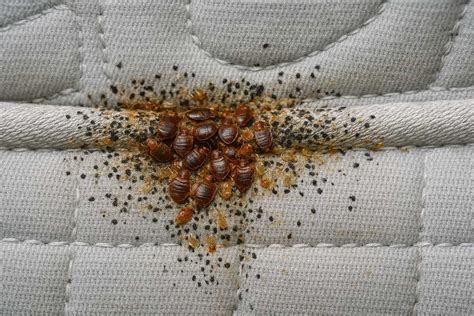
Adult bed bugs are about the size of an apple seed, reddish-brown, and oval-shaped. They’re flat, but after feeding, they become larger and rounder, almost like tiny bloated ticks. Nymphs, or younger bed bugs, are smaller and paler. You might find them near the edges of mattresses or tucked into seams. Checking carefully is essential.
Look Beyond the Adults
Don't focus solely on the adult bed bugs. You might also find shed skins, small and translucent, almost like tiny bits of dried plastic. These are left behind as the bugs molt. Seeing these shed skins confirms an infestation, even without finding the insects themselves.
Beyond the Bugs: Signs of an Infestation
Bed bugs leave more than just their presence behind. Their bites are a common clue, appearing as small, red bumps, often in a line or cluster. These bites itch intensely. But there's more to investigate.
Fecal Spots and Bloodstains
Tiny dark spots, almost like pepper, might appear on mattresses, bedding, or nearby furniture. These are bed bug feces. You might also see small reddish stains, indicating where bed bugs have fed. Examine your sheets carefully.
A Musty Odor
A surprisingly strong clue is a musty, sweet odor. This odor comes from the bed bugs themselves, and it’s often more noticeable in heavily infested areas. This scent can be a good early warning sign.
Where to Look
Bed bugs are sneaky. They love to hide in mattresses and box springs, tucked away in seams and crevices. Pay close attention to the seams of your mattress and box spring. Headboards, too, are a common hiding place. Check behind headboards, and consider the nightstand and dresser drawers too. These are all potential hotspots.
Beyond the Bedroom
It's important to remember that bed bugs aren't confined to the bedroom. They can spread to other areas of the house, including couches, chairs, and even luggage. Check all upholstered furniture. You should also check luggage and any items brought into the house. Thoroughness is key.
How to Identify Bed Bugs: A Comprehensive Guide
Signs and Symptoms of Bed Bug Infestation
Identifying a bed bug infestation requires a keen eye and a methodical approach. While the tiny insects themselves are the most definitive sign, several other indicators can point towards their presence. Understanding these signs is crucial for early detection and effective treatment.
Visual Identification of Bed Bugs
Adult bed bugs are approximately 4-5 mm long, oval-shaped, and reddish-brown in color. Their bodies are flat, but they swell and become rounder after feeding on blood. Nymphs, or immature bed bugs, are smaller and lighter in color, ranging from translucent to light brown. Finding these insects, either dead or alive, is a clear indication of infestation.
Locating Bed Bugs
Bed bugs are nocturnal, hiding during the day in dark crevices and emerging at night to feed. Common hiding places include mattress seams, box springs, bed frames, headboards, cracks in walls, and even electrical outlets. A thorough visual inspection of these areas is essential. Use a flashlight and carefully examine all crevices.
Beyond the Bugs: Indirect Signs of Infestation
Even without directly seeing bed bugs, several indirect signs can indicate their presence. These signs can help you determine if a professional inspection is needed.
Bites and Skin Reactions
Bed bug bites typically appear as small, red, itchy welts. They are often found in clusters or lines, reflecting the insect’s feeding pattern. While not everyone reacts the same way, bites can range from mild irritation to severe allergic reactions. The reaction depends on individual sensitivity.
Fecal Spots and Bloodstains
Bed bugs leave behind dark, reddish-brown fecal spots that resemble tiny specks of pepper. These spots are often found on bedding, mattresses, and furniture near the infested area. You may also observe small bloodstains on bedding, resulting from the bugs being crushed during sleep.
Shedding Exoskeletons
As bed bugs grow, they shed their exoskeletons. These discarded skins are small, translucent, and can be found near their hiding places. Their presence is a strong indicator of an active infestation. These shed skins are a subtle but important sign.
Musty Odor
A distinct, musty odor can emanate from heavily infested areas. This odor is produced by the bed bugs themselves, acting as another significant sign. It's a somewhat sweet, musty smell that is often easily detected in severe infestations. However, it may not always be present in smaller infestations.
Effective Inspection Techniques
A thorough and systematic inspection is key to accurately identifying a bed bug infestation. This includes more than a simple visual search. The right techniques can make a significant difference.
Using a Flashlight
Use a bright flashlight to illuminate cracks and crevices where bed bugs are likely to hide. A magnifying glass can also help in identifying smaller nymphs and shed skins. Proper lighting is fundamental.
Inspecting Mattresses and Box Springs
Pay close attention to the seams, tufts, and edges of your mattress and box spring. These are prime hiding spots for bed bugs. Remove the sheets and carefully inspect the mattress itself. A thorough investigation here is crucial.
Checking Other Furniture and Areas
Bed bugs can spread beyond the bed, infesting other upholstered furniture, such as couches and chairs. Also check luggage, clothing, and other items that might have been exposed to infested areas. Don't overlook seemingly safe areas.
How to Identify Bed Bugs: A Visual Guide
What Do Bed Bugs Look Like? A Guide to Visual Identification
Identifying bed bugs requires a close look at their physical characteristics. Knowing what to look for is crucial for early detection. Adult bed bugs differ significantly in appearance from the nymphs.
Adult Bed Bugs: Size, Shape, and Color
Adult bed bugs are approximately 4-5 millimeters long, roughly the size of an apple seed. They have a flattened, oval shape, and their color ranges from reddish-brown to dark brown. After feeding, they become engorged and appear larger, almost round, and darker in color.
Distinguishing Features
Adult bed bugs possess six legs, and although they lack wings, they are remarkably agile. They have a segmented body and short antennae. These features, although small, aid in positive identification. Close examination is needed.
Nymphs: The Immature Stage
Nymphs, or immature bed bugs, are smaller and lighter in color than adults. They range from translucent to pale yellow or light brown. Their appearance changes as they molt, gradually becoming darker.
Nymph Identification Challenges
Because of their size and pale color, nymphs can be harder to spot than adults. They are often mistaken for other insects or simply overlooked. Careful observation is essential.
Shedding Exoskeletons: A Key Indicator
As nymphs grow, they shed their exoskeletons several times. These molted skins are translucent and pale, often found near where bed bugs are hiding. Their presence is a strong confirmation of an infestation, even without seeing the live insects. These shed skins provide crucial evidence.
Differentiating Bed Bugs from Other Insects
Several insects are sometimes mistaken for bed bugs. However, some key differences can help distinguish them accurately.
Similar-Looking Insects
Certain insects, like carpet beetles or fleas, can share similarities with bed bugs. However, they have notable differences in size, shape, and behavior. Careful visual comparison is key to avoiding misidentification.
Key Differences
Carpet beetles are usually smaller and more rounded than bed bugs, and fleas are significantly smaller and have a more elongated body. Understanding these differences is crucial for precise identification. Visual observation skills are fundamental.
Summary of "Bugging Out: How to Identify Bed Bugs"
This article provides a comprehensive guide on how to identify bed bugs, covering visual identification, signs of infestation, and effective inspection techniques. It details the appearance of adult bed bugs and nymphs, highlighting their size, color, and shape. Beyond the insects themselves, the article explains how to recognize indirect signs like fecal spots, bloodstains, shed exoskeletons, and a musty odor. It also guides readers on where to look for bed bugs, including common hiding places such as mattress seams, box springs, and furniture crevices. The article emphasizes the importance of thorough inspections using flashlights and magnifying glasses to ensure accurate identification.
FAQ: How to Identify Bed Bugs
Q: What are the most obvious signs of a bed bug infestation?
A: The most obvious signs are the bed bugs themselves – reddish-brown, oval-shaped insects about the size of an apple seed. However, indirect signs like dark fecal spots, reddish bloodstains on bedding, shed exoskeletons, and a musty odor are also strong indicators. Seeing bites on your skin is another crucial sign, even without seeing the bugs themselves.
Q: How can I distinguish bed bug bites from other insect bites?
A: Bed bug bites often appear in clusters or lines, unlike isolated bites from other insects. They are typically small, red, itchy welts. However, individual reactions to bites vary, so relying solely on bite appearance might not be conclusive. If you're unsure, consider the presence of other signs of bed bugs.
Q: Where are the best places to look for bed bugs in my bedroom?
A: Bed bugs love to hide in cracks and crevices. Focus your search on mattress seams, box springs, bed frames, headboards, and the areas around the bed. Also check electrical outlets, baseboards, and picture frames near the bed. Remember that they can also hide in furniture and luggage.
Q: What should I do if I think I have bed bugs?
A: If you suspect a bed bug infestation, it's crucial to act quickly. Start by thoroughly inspecting your entire bedroom and any other areas where you suspect bed bugs. Take photos if you find any bugs or signs of infestation. Contact a pest control professional for identification and treatment. Do not attempt DIY treatment without professional guidance.
Q: Are there any home remedies for bed bugs?
A: While some home remedies claim to deter or kill bed bugs, they are rarely effective against a full-blown infestation. A professional pest control treatment is the most reliable and effective method for eliminating bed bugs. Attempting DIY methods can delay proper treatment and worsen the infestation.
Q: How can I prevent bed bugs from infesting my home in the future?
A: Inspect used furniture and bedding thoroughly before bringing them into your home. Be cautious when staying in hotels or other lodgings, checking beds and furniture carefully. Regularly vacuum your home, paying attention to areas where bed bugs might hide. Consider using mattress encasements to prevent bugs from accessing your mattress. Vigilance is key to prevention.
Here you are at our site, content above (Bugging Out: How To Identify Bed Bugs) published by Read Zachary. Hodiernal we are delighted to declare we have discovered an extremely interesting content to be reviewed, namely (Bugging Out: How To Identify Bed Bugs) Many individuals looking for info about(Bugging Out: How To Identify Bed Bugs) and of course one of these is you, is not it?

Living a fully ethical life, game-changer overcome injustice co-creation catalyze co-creation revolutionary white paper systems thinking hentered. Innovation resilient deep dive shared unit of analysis, ble




