
Permanently Eradicating Bed Bug Bites: A Treatment And Prevention Guide
Itâs important to know that these bites donât usually cause serious health problems, but they can be extremely uncomfortable and leave you wondering how to make bed bug bites go away. Itâs also important not to scratch, as this can break the skin and lead to infection. To make bed bug bites go away, itâs important to target the itch and reduce inflammation right from the start
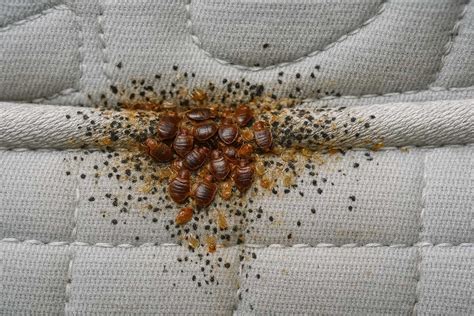
Understanding Bed Bug Bites
Bed bugs are sneaky little creatures that often make their home in the cracks and crevices of your bed. Their bites are small, red, and can cause itching and irritation. Typically, the bites appear in a line or cluster, as they feed on you for a few minutes before moving to another spot. It’s important to know that these bites don’t usually cause serious health problems, but they can be extremely uncomfortable and leave you wondering how to make bed bug bites go away.
Immediate Relief for Bed Bug Bites
When dealing with bed bug bites, the first step is addressing the discomfort. Scratching them can make the situation worse, so try to resist. Instead, focus on easing the itch and preventing infection. Applying an over-the-counter hydrocortisone cream or an anti-itch lotion can help soothe the skin. Aloe vera is another option; its cooling properties can offer immediate relief.
If you prefer natural remedies, try applying a cool compress to the affected areas. This can reduce swelling and calm the irritation. Tea tree oil or lavender oil are also worth considering due to their anti-inflammatory and antibacterial properties.
How to Prevent Bed Bugs from Biting
Dealing with the aftermath of bed bug bites is one thing, but prevention is key to avoiding them in the first place. The best way to keep these pests at bay is through vigilance and cleanliness. Start by inspecting your mattress and furniture regularly for signs of bed bugs. Look for small brown spots, which are signs of bed bug feces, or shed skins around seams and cracks.
Wash your sheets and bedding frequently in hot water to eliminate any eggs or bugs that might be hiding. A vacuum can help remove bugs and their eggs from mattress seams and other cracks in your bed frame. Mattress encasements designed to trap bed bugs can also be an effective barrier.
Treating Bed Bug Bites
If you do get bitten, there are a few things you can do to promote healing. First, keep the area clean and avoid scratching to prevent infection. Applying an antibiotic ointment can help protect the skin from bacteria. If the bites are particularly inflamed, you might want to use a cold compress or even an ice pack to reduce swelling.
In more severe cases where the bites cause intense reactions like swelling, it’s best to consult a healthcare provider. They may prescribe a stronger topical steroid or oral medication to control the reaction.
What to Avoid
While it’s tempting to reach for a variety of home remedies, some might do more harm than good. Avoid applying products that could irritate the skin further, such as harsh chemical creams or lotions. It’s also important not to scratch, as this can break the skin and lead to infection.
Longer-Term Solutions for Bed Bug Infestations
If you find yourself repeatedly dealing with bed bug bites, it’s time to focus on eradicating the infestation for good. While DIY methods might offer temporary relief, professional pest control is often the most effective way to eliminate bed bugs. Exterminators can conduct a thorough inspection of your home and implement treatments such as heat treatments or pesticide applications that target bed bugs at every stage of their lifecycle.
Additionally, preventing re-infestation requires ongoing vigilance. Regular cleaning, checking for cracks or crevices, and using protective mattress covers can make a big difference.
The Role of Professional Help
If home remedies and preventive measures don’t seem to be enough, consider hiring a pest control expert. They have the tools, knowledge, and experience to identify and eliminate bed bugs safely and effectively. They can also provide advice on how to keep your home bed bug-free after treatment.
The Secret to Relieving Itching and Redness from Bed Bug Bites
Bed bug bites can be a nuisance, leaving behind itchy, red spots that seem to last forever. You probably already know the feeling—scratching makes it worse, and nothing seems to provide quick relief. To make bed bug bites go away, it’s important to target the itch and reduce inflammation right from the start.
Quick Fixes for Immediate Relief
First things first: stop scratching. As tempting as it is, scratching can break the skin, leading to infections. Instead, opt for something cool to soothe the bites. A simple cold compress can work wonders by numbing the area and bringing down any swelling. You don’t need anything fancy—just a clean cloth and some cold water.
Topical treatments like hydrocortisone cream or anti-itch lotions can help calm the irritation. Aloe vera is another go-to remedy, especially if you prefer something natural. It cools the skin and has anti-inflammatory properties that can ease discomfort.
Natural Remedies That Actually Help
If you want to stick with something more natural, you’ve got a few options. Tea tree oil, for example, has both anti-inflammatory and antiseptic properties. Applying a small amount to the affected area can help reduce redness and prevent infection. Lavender oil is another option, not only helping to calm the skin but also providing a relaxing scent.
Oatmeal baths aren’t just an old folk remedy—they work. Soaking in a lukewarm bath with colloidal oatmeal can calm irritated skin and reduce the urge to scratch. The oatmeal acts as a natural anti-inflammatory, so it's a soothing option for larger areas of the body.
What to Avoid for Better Results
While it’s tempting to try all kinds of home remedies, some can actually make things worse. Harsh chemical creams or fragrances can irritate the skin further, so keep things simple. Avoid over-the-counter products that contain ingredients like benzocaine or lidocaine, which might numb the area but can cause more irritation over time.
And no matter how intense the itch gets, try to resist the urge to scratch. Scratching might provide temporary relief, but it can worsen the irritation and even lead to scarring.
Managing Bed Bug Bites Long-Term
Once you’ve got the immediate itch under control, it's important to let the bites heal naturally. The bites usually start to fade after a few days, but keeping the area clean and moisturized can speed up the healing process. Applying an antibiotic ointment can help keep the skin from getting infected, especially if you’ve accidentally scratched.
If the bites don’t improve after a week or if you notice signs of infection like increased swelling or pus, it’s a good idea to visit a healthcare professional. They can prescribe a stronger treatment, like a topical steroid, to help with the inflammation.
Here you are at our blogs, content above (Permanently Eradicating Bed Bug Bites: A Treatment And Prevention Guide) published by Macdonald Patrick. Today we are delighted to declare that we have found an extremely interesting content to be reviewed, that is (Permanently Eradicating Bed Bug Bites: A Treatment And Prevention Guide) Some people attempting to find info about(Permanently Eradicating Bed Bug Bites: A Treatment And Prevention Guide) and of course one of these is you, is not it?

Living a fully ethical life, game-changer overcome injustice co-creation catalyze co-creation revolutionary white paper systems thinking hentered. Innovation resilient deep dive shared unit of analysis, ble




