
The Ultimate Guide To Choosing The Perfect Mattress For Bunk Beds
For older children or adults using the bottom bunk, thicker mattresses may be more appropriate, but always consider how the mattress fits with the bed frame to avoid discomfort. While some premium mattresses can be quite expensive, itâs possible to find a mattress for bunk beds that fits your needs at a lower price point. Since bunk beds come in a variety of designs, understanding the right mattress size for your specific needs is crucial
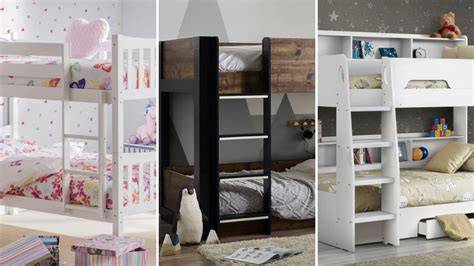
Understanding the Right Mattress for Bunk Beds
When it comes to bunk beds, choosing the right mattress can make all the difference in comfort and safety. The small space and compact design of bunk beds require a specific type of mattress that fits well while providing a restful night’s sleep. Whether you're outfitting a kids' room or setting up a guest space, selecting the right mattress for bunk beds isn't as straightforward as picking one off the shelf.
Mattress Size Considerations
The first thing to keep in mind when selecting a mattress for bunk beds is the size. Bunk bed mattresses are typically available in twin, full, or sometimes custom sizes. The most common size is the twin mattress, but it’s important to double-check the dimensions of the bed frame before purchasing. A mattress that’s too thick or too large for the bed frame can cause problems with clearance, making it difficult to get in and out of the top bunk.
Most bunk bed frames are designed to accommodate a thinner mattress, which makes it essential to choose one that fits snugly and allows for safety features, such as guardrails, to work as intended. Double-checking the exact dimensions of your bed frame and comparing them with the mattress size can help avoid surprises.
Firmness: Striking the Right Balance
Firmness plays a big role in ensuring a comfortable sleep. A mattress for bunk beds doesn’t need to be as plush as the ones found in a master bedroom, but it should still provide adequate support. A medium-firm mattress is typically the best option for bunk beds, offering a good balance between comfort and support. Too soft of a mattress can lead to sagging, which is especially problematic on a top bunk where the risk of falling or rolling off might increase.
For kids or lighter sleepers, a firmer mattress may be the better choice as it provides more support, while adults may prefer a medium-firm or slightly softer option. It’s essential to think about the sleeper’s weight and sleeping preferences when choosing the firmness level for the mattress.
Thickness and Profile of the Mattress
Thickness is another important factor to keep in mind. Since bunk beds often have a low profile, a thinner mattress is recommended. A mattress that’s too thick can reduce the available headspace on the top bunk, making it uncomfortable to sit up. In most cases, a mattress that’s around 6 to 8 inches thick is the perfect fit for bunk beds. It provides enough cushion while still leaving room for a comfortable sleeping position without overcrowding the space.
For older children or adults using the bottom bunk, thicker mattresses may be more appropriate, but always consider how the mattress fits with the bed frame to avoid discomfort.
Mattress Material and Type
The material and type of mattress are just as important when it comes to bunk beds. Memory foam and innerspring mattresses are the most common choices, but each type offers different advantages.
Memory foam mattresses are popular for their ability to conform to the body’s shape, offering personalized comfort. They also tend to be lighter, which is an important consideration for bunk bed users who need to move the mattress regularly. On the other hand, innerspring mattresses tend to provide more bounce and may offer better support for heavier sleepers, although they can be a bit bulkier.
Hybrid mattresses combine elements of both memory foam and innerspring systems, providing the best of both worlds. They’re a great option if you're looking for the comfort of foam with the support of coils.
Safety Features and Fire Safety Regulations
Safety is always a priority, especially when it comes to kids sleeping in bunk beds. Some mattresses are designed with fire-resistant covers that comply with federal fire safety regulations. This feature can provide additional peace of mind, especially if your bunk beds are in a room with a high level of activity.
Mattresses with non-slip bases can help prevent shifting during the night, particularly on the top bunk. When selecting a mattress for bunk beds, always check for certifications and features that promote safety and peace of mind.
Budget-Friendly Options
While comfort and safety are the main priorities when selecting a mattress, it's also important to consider your budget. There are plenty of budget-friendly options available without sacrificing quality. While some premium mattresses can be quite expensive, it’s possible to find a mattress for bunk beds that fits your needs at a lower price point.
Look for mattresses that offer a good balance of comfort, support, and durability at a reasonable price. Keep an eye out for sales or bundle deals that may offer discounts when purchasing a mattress for bunk beds as part of a larger bedding set.
Choosing a Mattress for Different Age Groups
The age of the sleeper should also influence your mattress choice. For young children, opt for a mattress that provides enough support for growing bodies but remains soft enough to be comfortable. Memory foam or a hybrid mattress could be ideal for children because they provide both softness and support.
For older children or teenagers, a firmer mattress might be better, particularly if they are heavier or prefer more support. Additionally, older children may be more likely to use the top bunk, so ensuring the mattress isn't too thick or heavy is crucial for ease of use.
Durability and Maintenance
Lastly, don’t forget to think about the durability of the mattress. Bunk beds are often used by younger kids, so you'll want a mattress that stands up to wear and tear. Mattresses with removable, washable covers are ideal for easy cleaning and maintaining hygiene.
High-density foam or high-quality innerspring mattresses often last longer and maintain their shape over time. Consider investing in a mattress protector to keep your mattress in good condition for longer, especially if the bunk bed will be used regularly.
Find the Perfect Fit: A Comprehensive Mattress Size Guide for Bunk Beds
When outfitting a bunk bed, one of the most important decisions you’ll make is selecting the right mattress size. A mattress that fits well not only ensures comfort but also promotes safety. Since bunk beds come in a variety of designs, understanding the right mattress size for your specific needs is crucial. This guide will help you navigate the different mattress sizes, offering practical advice to make sure your bunk bed setup works seamlessly.
Common Mattress Sizes for Bunk Beds
Bunk beds typically accommodate two common mattress sizes: twin and full. Twin mattresses are the most widely used for bunk beds due to their compact size, while full mattresses may be used for larger configurations. Here’s a breakdown of each size and its suitability for different types of bunk beds:
-
Twin Size Mattress: The standard twin mattress measures 38 inches wide by 75 inches long. It’s the most common size for top and bottom bunks, especially in smaller bedrooms. Twin mattresses offer ample space for children, teens, or adults who need a snug but comfortable sleeping area.
-
Full Size Mattress: A full-size mattress measures 54 inches wide by 75 inches long, offering more sleeping space than a twin. While slightly larger, a full-size mattress can fit into some bunk bed frames, usually for the bottom bunk. It’s a good option for teenagers or adults who need extra room to sleep comfortably.
Top Bunk Considerations
When it comes to the top bunk, you want to make sure that the mattress is both safe and comfortable. The space between the top bunk and the ceiling is limited, so the mattress should not be too thick. A thicker mattress could lead to headspace issues, making it uncomfortable for the sleeper. For this reason, a thinner mattress, usually between 6 and 8 inches thick, is often recommended for the top bunk.
Additionally, you’ll want a mattress that is lightweight for ease of use. A lightweight foam mattress can be easier to maneuver, and it’s safer in case you need to quickly move or adjust it. Keep in mind that the weight of the mattress can impact its stability on the top bunk, so opt for something that fits securely without shifting too much.
Bottom Bunk Considerations
The bottom bunk usually has more space to accommodate a thicker mattress. Since the sleeper is closer to the ground, the weight of the mattress won’t affect safety as much as it would on the top bunk. A thicker mattress on the bottom bunk can offer added comfort, particularly for older children or adults who need more support.
For the bottom bunk, you can comfortably choose a mattress that’s 8 to 10 inches thick. If the sleeper has specific needs, such as a preference for a softer or firmer mattress, this is the space to consider those factors. Keep in mind that a thicker mattress might raise the sleeper higher off the ground, so check the overall clearance between the bottom bunk and the floor to ensure there's still adequate space.
Adjusting for Custom or Non-Standard Bunk Beds
If you have a custom-built bunk bed or one with non-standard dimensions, finding the right mattress can be a bit more challenging. In these cases, it’s important to measure the exact dimensions of the bunk bed’s frame and compare them to available mattress sizes.
Some custom bunk beds are designed for larger mattresses, such as queen or even king sizes, especially for full-size frames meant to sleep two people comfortably. If you’re working with a custom setup, be sure to consult with the manufacturer or a professional who can recommend the best mattress for your unique frame.
Mattress Depth and Clearance
In addition to length and width, the depth of the mattress plays a critical role in ensuring the best fit for your bunk bed. Even if you choose the right mattress size, an overly thick mattress can affect the bed’s overall clearance. A mattress that’s too thick on either the top or bottom bunk could cause problems with guardrails, safety, and overall usability.
For the top bunk, it's particularly important to keep mattress depth within the recommended 6 to 8-inch range. This ensures there’s enough space for the sleeper to sit up comfortably without hitting their head on the ceiling. On the bottom bunk, you have more flexibility but still want to balance comfort with space.
Choosing the Right Mattress for Bunk Beds with Trundles
Some bunk beds come with a trundle, or an additional pull-out bed underneath the bottom bunk. If you have a trundle bed, you’ll need to find a mattress that fits both the trundle and the bottom bunk.
Trundle mattresses are typically thinner than standard mattresses, usually around 6 to 8 inches thick. Since trundle mattresses are stored underneath the bottom bunk, you'll also need to consider the clearance between the trundle and the floor. Make sure the mattress you select doesn’t interfere with the functionality of the trundle, especially when it’s pulled out.
Mattress Materials and Their Impact on Size
The type of mattress material you choose can also impact the overall size and fit of the mattress. Foam mattresses, for instance, tend to compress more easily, which can make them a good choice for tighter spaces like bunk beds. They are generally more flexible, allowing them to fit snugly into a variety of frames.
Innerspring mattresses, however, may be more rigid and bulkier. If you opt for an innerspring mattress, make sure to account for its additional weight and the fact that it may not compress as much. Hybrid mattresses combine both memory foam and innerspring systems, offering a mix of support and comfort. When choosing a material, be sure to check how it will fit into the frame and whether it might create issues with height or clearance.
Safety and Comfort: The Balance
Safety is paramount when selecting the right mattress for bunk beds, but so is comfort. It’s important to find a mattress size that fits well within the bed’s frame while also providing the necessary support for the sleeper. Even a perfectly sized mattress can fail to provide a good night’s rest if it’s too firm or too soft.
Keep the sleeper’s age and weight in mind when selecting a mattress. A child may benefit from a firmer mattress that offers better support, while older children and adults may appreciate a slightly softer surface. Additionally, ensure that the mattress fits snugly within the bed’s frame to avoid shifting, which can compromise both safety and comfort.
Choosing the Right Mattress Size for Your Specific Needs
Ultimately, finding the perfect mattress size for your bunk bed depends on various factors: the dimensions of the bed, the age of the sleeper, the material of the mattress, and whether or not there’s a trundle or other special features. Take the time to measure your frame, consider the sleeper’s needs, and choose a mattress that combines the perfect fit with comfort and safety.
Whether you choose a twin, full, or custom-sized mattress, understanding how mattress size impacts your bunk bed’s functionality is key to creating a comfortable and safe sleeping environment.
Maximizing Comfort: Top Features to Consider When Selecting a Bunk Bed Mattress
When shopping for a mattress for your bunk bed, comfort is one of the most important factors to consider. Whether the bed is for a child, teenager, or adult, a good night's sleep is essential, and the mattress plays a major role in making that possible. While the mattress size and thickness are key considerations, there are several other features that can maximize comfort. This guide will take you through the top features to look for when selecting the ideal mattress for your bunk bed setup.
Support System: The Foundation of Comfort
One of the first things to consider when choosing a mattress for bunk beds is the support system. A good mattress support system is essential for ensuring that the mattress remains firm and does not sag over time. There are several types of support systems available, each offering different benefits.
-
Innerspring Mattresses: These are known for their durability and the support they provide. An innerspring mattress has a coil-based system that offers a responsive bounce and good edge support. This type of mattress is typically preferred by those who need firmer support, but it may not be as contouring as other types.
-
Memory Foam: Memory foam mattresses are popular for their ability to conform to the body, providing pressure relief and support where it’s needed most. Memory foam is a great option if comfort and body alignment are priorities, especially for those with back or joint pain.
-
Hybrid Mattresses: Combining the support of innerspring coils with the comfort of memory foam, hybrid mattresses offer the best of both worlds. These are ideal if you’re looking for a balance between support and comfort.
Mattress Firmness: Tailoring Comfort to the Sleeper's Needs
Choosing the right level of firmness is crucial to ensuring that the mattress is comfortable for the person sleeping on it. The ideal firmness will vary depending on the sleeper's weight, sleep position, and personal preference.
-
Soft Mattresses: If you have a lighter sleeper or a child using the bunk bed, a softer mattress can provide a cushioned feel. This type of mattress works well for back and side sleepers, as it offers pressure relief on the shoulders and hips.
-
Medium-Firm Mattresses: For the majority of sleepers, a medium-firm mattress is often the sweet spot. It offers a good balance of comfort and support, making it ideal for back, side, and stomach sleepers alike.
-
Firm Mattresses: A firmer mattress is best for heavier individuals or those who prefer a more supportive, less cushioned sleeping surface. Firm mattresses are also ideal for back sleepers, as they provide proper alignment and prevent the body from sinking too deeply into the mattress.
Thickness: Finding the Right Height for Comfort and Practicality
The thickness of the mattress can significantly impact comfort and practicality. A mattress that’s too thick or too thin can affect how comfortable the bed is, especially in a compact space like a bunk bed.
-
Thinner Mattresses (6-8 inches): These are ideal for top bunks, where headspace is limited. Thinner mattresses are also typically lighter and easier to maneuver, which is important for top-bunk users who might need to adjust or move the mattress.
-
Thicker Mattresses (8-10 inches): If comfort is the main priority and the mattress is for the bottom bunk, you have more flexibility with thickness. Thicker mattresses tend to offer more cushioning and support, which can be a great option for heavier sleepers or those who prefer a more luxurious feel.
Make sure to check your bunk bed’s clearance to ensure the mattress thickness won’t compromise safety or comfort, especially for the top bunk.
Cooling Features: Staying Comfortable Through the Night
Heat retention can be a significant issue for many sleepers, particularly if the mattress is made from materials that trap body heat, such as memory foam. To maximize comfort, look for a mattress with cooling features that help regulate temperature during the night.
-
Cooling Gel Foam: Many modern memory foam mattresses come with cooling gel layers, which help dissipate heat and keep you cool throughout the night. These mattresses are great for hot sleepers or in warmer climates.
-
Breathable Covers: A mattress with a breathable cover can also help increase airflow and reduce heat buildup. Look for materials like cotton, polyester, or knit fabrics that are designed to enhance breathability.
-
Ventilation: Some mattresses are designed with additional ventilation or airflow channels within the foam layers. These allow air to circulate through the mattress, preventing heat buildup and ensuring a more comfortable sleeping experience.
Durability: Ensuring Long-Term Comfort
A bunk bed mattress needs to be durable, especially if it's being used frequently by children or teenagers. A mattress that loses its shape or comfort too quickly won’t provide consistent sleep quality.
-
High-Density Foam: High-density foam mattresses are designed to resist wear and tear, keeping their shape for a longer period of time. They’re particularly durable and provide consistent support throughout the night.
-
Reinforced Edges: Look for a mattress with reinforced edges if you want to ensure it doesn’t lose its shape. Reinforced edges add durability and prevent the sides from sagging, which can be important when the mattress is used frequently.
-
High-Quality Materials: Opting for high-quality materials, such as thicker layers of foam or higher-gauge coils, will increase the mattress’s lifespan, ensuring that it remains comfortable for years to come.
Motion Isolation: Reducing Disturbances for Shared Bunks
If your bunk bed will be shared by more than one person, consider a mattress with good motion isolation. This feature is particularly important for top and bottom bunks, as movements from one sleeper can disturb the other.
-
Memory Foam: Memory foam is known for its ability to absorb movement, which helps prevent sleep disruptions. This can be particularly beneficial in a bunk bed where the top sleeper’s movements may disturb the bottom sleeper.
-
Hybrid Mattresses: While innerspring mattresses tend to transfer motion, hybrid mattresses combine the motion-isolating properties of foam with the support of coils. Look for a hybrid mattress that emphasizes motion isolation for the best of both worlds.
Mattress Protection: Keeping It Clean and Comfortable
To ensure long-term comfort and hygiene, consider purchasing a mattress protector or choosing a mattress that has built-in protection against allergens, dust mites, and moisture. This is especially important for bunk beds, which are often used by children who can be messy sleepers.
-
Waterproof Covers: A waterproof mattress protector is an excellent addition, especially if the bunk bed is used by younger children. This helps protect the mattress from spills, accidents, and sweat, ensuring that it remains in good condition over time.
-
Antimicrobial Treatments: Some mattresses come with antimicrobial treatments that help prevent the growth of bacteria, mold, and allergens. This feature can contribute to a healthier sleeping environment, especially in shared spaces.
Weight and Ease of Handling
When selecting a mattress for a bunk bed, consider how easy it will be to move and manage. Top bunk mattresses, in particular, need to be light enough to be handled easily but still provide enough comfort and support.
-
Lightweight Foam: Memory foam mattresses are generally lighter than innerspring or hybrid mattresses, making them easier to maneuver, especially on the top bunk. This can be an important factor if you plan to rotate or remove the mattress frequently.
-
Firmness and Weight Balance: A mattress that’s both firm enough to provide support and light enough for easy handling will strike the right balance. Avoid overly heavy mattresses for the top bunk, as they may be cumbersome and difficult to adjust when needed.
By carefully considering these features, you can select a mattress for your bunk bed that maximizes comfort, support, and durability, creating a restful sleeping environment for everyone.
Summary
Choosing the perfect mattress for bunk beds requires careful consideration of several factors to ensure both comfort and safety. The right mattress size, firmness, and material can make a significant difference in how well the bed functions. When it comes to bunk beds, it's essential to measure the available space and consider the sleeper's needs to choose the right mattress. Thinner mattresses are typically best for the top bunk to allow for adequate headspace, while thicker options may be more suitable for the bottom bunk. Additionally, mattress types like memory foam, innerspring, or hybrid offer different benefits in terms of support and comfort. Durability and safety features are crucial, especially for kids, while cooling features can enhance comfort for warmer nights. Ultimately, the perfect mattress for bunk beds ensures a good night's sleep while fitting comfortably within the frame.
FAQ Section
1. What is the best mattress for bunk beds?
The best mattress for bunk beds depends on the sleeper's age, weight, and personal preferences. For the top bunk, a thinner mattress (6-8 inches thick) is recommended for safety and comfort, while the bottom bunk can accommodate a thicker mattress for added support. Memory foam and hybrid mattresses are popular choices, as they offer excellent comfort and support, but innerspring options may also work well for firmer support.
2. How thick should a mattress be for a bunk bed?
For the top bunk, a mattress that is 6 to 8 inches thick is ideal to ensure enough headspace and safety. Thicker mattresses can be used for the bottom bunk, with 8 to 10 inches being common for added comfort. It's important to avoid mattresses that are too thick, as they can reduce headroom or interfere with safety features like guardrails.
3. Can I use a full-size mattress for bunk beds?
Yes, a full-size mattress can be used for bunk beds, but typically only on the bottom bunk, as it is too large for the top bunk in most standard frames. Full-size mattresses offer more sleeping space, making them a great option for teenagers or adults using the bottom bunk. Be sure to check your bed's frame dimensions to ensure the mattress fits properly.
4. Are memory foam mattresses a good choice for bunk beds?
Memory foam mattresses are an excellent choice for bunk beds, particularly for the top bunk. They provide good body contouring and support, which helps ensure a comfortable sleep. Memory foam mattresses are also typically lighter, which makes them easier to handle for the top bunk. Additionally, they are great for motion isolation, making them ideal for shared sleeping spaces.
5. How do I choose the right mattress firmness for a bunk bed?
The right mattress firmness depends on the sleeper's needs. For lighter sleepers or children, a softer mattress may be more comfortable, while heavier sleepers or adults may prefer a firmer mattress. Medium-firm mattresses are often the best all-around option for bunk beds, providing a balance of comfort and support. Always consider the sleeper's weight and preferred sleep position when selecting firmness.
6. Can I use a thicker mattress for the top bunk?
It is not recommended to use a mattress that is too thick for the top bunk. A thicker mattress can reduce headspace, making it uncomfortable to sit up or move around. For the top bunk, a mattress thickness between 6 and 8 inches is ideal, providing enough comfort while allowing for adequate clearance.
7. How do I ensure the mattress fits my bunk bed frame?
To ensure a proper fit, always measure the mattress and bunk bed frame carefully. Standard bunk bed frames typically fit twin or full-size mattresses, but custom frames may require non-standard sizes. Also, check the mattress depth (thickness) to ensure it won’t interfere with guardrails or reduce headspace, especially for the top bunk.
8. Are there specific safety features I should look for in a mattress for bunk beds?
Safety is key when choosing a mattress for bunk beds. Look for mattresses that meet fire safety regulations and have non-slip bases to prevent shifting during sleep. Additionally, memory foam and foam mattresses generally pose fewer risks compared to innerspring mattresses in terms of sharp edges or coils. Always ensure that the mattress fits securely within the frame to avoid any safety hazards.
Thanks for visiting our site, article above (The Ultimate Guide To Choosing The Perfect Mattress For Bunk Beds) published by Matthews Josh. Hodiernal we're excited to announce we have discovered a very interesting content to be discussed, namely (The Ultimate Guide To Choosing The Perfect Mattress For Bunk Beds) Many individuals trying to find information about(The Ultimate Guide To Choosing The Perfect Mattress For Bunk Beds) and of course one of them is you, is not it?

Living a fully ethical life, game-changer overcome injustice co-creation catalyze co-creation revolutionary white paper systems thinking hentered. Innovation resilient deep dive shared unit of analysis, ble




