
What Do Bed Bug Bites Feel Like? A Guide To Identifying And Understanding The Symptoms
Bed bug bites are often a mystery until the telltale signs begin to show on your skin. Bed bug bites can lead to a variety of symptoms, some of which are easy to recognize while others are more subtle. Theyâre also different from spider bites, which can be painful and may lead to more pronounced skin reactions
Understanding the Sensation of Bed Bug Bites
Bed bug bites are often a mystery until the telltale signs begin to show on your skin. For many, the initial bite feels like nothing at all. These tiny pests inject a numbing agent when they feed, so you might not notice the exact moment they strike. It's only hours or even days later that the itching, redness, or swelling starts to appear, leaving you puzzled about what caused the discomfort.
Common Signs and Reactions
Red, Itchy Bumps
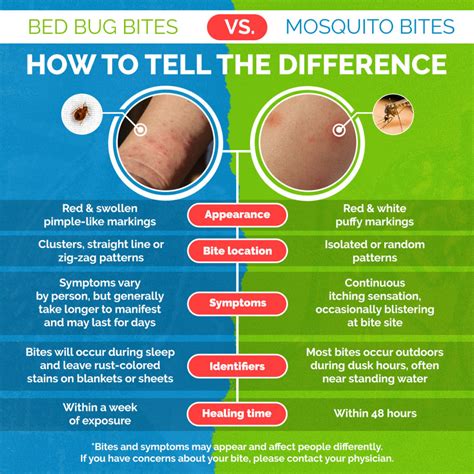
The most recognizable symptom is a cluster of red, swollen bumps on the skin. These often appear in a line or zigzag pattern. The bites might resemble mosquito bites but are typically smaller and grouped more closely together. People who are more sensitive to bed bug saliva may experience heightened redness and intense itching, making it hard to ignore.
Delayed Reactions
Not everyone reacts to bed bug bites in the same way. Some people notice symptoms right away, while others may go days without realizing they've been bitten. This delay can make it tricky to identify the source of the bites, especially if you’ve recently traveled or stayed in an unfamiliar place.
The Intensity of the Itch
One of the most frustrating parts of dealing with bed bug bites is the relentless itchiness. For some, the sensation can be mild and easily overlooked. For others, it becomes a constant irritation, leading to scratching and further irritation. In severe cases, excessive scratching can break the skin and lead to infections.
How Bed Bugs Choose Their Targets
Warmth and Carbon Dioxide
Bed bugs are drawn to warmth and the carbon dioxide we exhale while sleeping. They’re stealthy feeders, often targeting areas of exposed skin. The bites are painless at first, which allows them to feed unnoticed before retreating to their hiding spots.
Skin Sensitivity Matters
Your individual reaction to bed bug bites depends largely on your skin's sensitivity. Some people barely react, while others develop large welts that itch intensely. The varying reactions can make it difficult to determine if bed bugs are the culprit.
Differentiating Bed Bug Bites from Other Pests
Mosquitoes, Fleas, or Bed Bugs?
Bed bug bites are sometimes mistaken for bites from mosquitoes or fleas. While mosquito bites are more random and spread out, flea bites tend to be concentrated on the lower body. Bed bug bites, on the other hand, typically form a noticeable pattern on areas like the arms, neck, or face.
Allergic Reactions
For individuals with allergies, bed bug bites can lead to more significant symptoms such as severe swelling, blisters, or hives. Recognizing these differences can help pinpoint bed bugs as the source, especially if bites occur after sleeping or sitting in a specific area.
Where to Check for Bed Bugs
The Usual Hiding Spots
Bed bugs thrive in mattresses, box springs, headboards, and even cracks in furniture. If you suspect their presence, inspect your bed for signs like dark spots, shed skins, or tiny white eggs. Identifying their hiding spots can help confirm whether your bites are related to these nocturnal pests.
Common Signs: How to Tell If You’ve Been Bitten by Bed Bugs
Recognizing bed bug bites can be tricky since their symptoms mimic those of other insect bites or skin irritations. Knowing what to look for and when symptoms arise is key to identifying these unwelcome visitors.
Bite Patterns That Stand Out
Bed bug bites often appear in clusters or straight lines, unlike the scattered bites of mosquitoes. These patterns are typically found on exposed areas like the neck, arms, and legs. The arrangement is a result of their feeding behavior—multiple bites in a row from the same insect as it moves across the skin.
Swelling and Redness
After a bite, you may notice small, raised welts that can range in color from light pink to deep red. For some, the redness extends beyond the bite area, creating a larger swollen patch. These spots can feel warm to the touch and become increasingly tender with scratching.
Nighttime Onset
If you wake up with itchy, irritated skin but went to bed feeling fine, it might be a sign of bed bugs. These pests are most active at night and often bite while you’re asleep, making mornings the time you’re most likely to notice new marks.
The Gradual Itch
Itching caused by bed bug bites doesn’t always start immediately. It can take several hours or even a day to develop. The sensation can range from mildly irritating to intensely uncomfortable, depending on your body’s reaction to the bug’s saliva.
Lack of Pain During Biting
Unlike some pests, bed bugs inject a numbing agent as they feed, so their bites don’t hurt at the moment they occur. This lack of initial pain often allows them to feed unnoticed, especially during deep sleep.
Variability in Reactions
Not everyone responds to bed bug bites the same way. Some people may develop no visible signs, while others experience significant swelling, blisters, or even an allergic response. The variability can make it difficult to confirm the presence of bed bugs without other clues.
Secondary Symptoms from Scratching
Excessive scratching can lead to broken skin, which increases the risk of infection. You might notice pus, crusting, or additional redness around bites that have been scratched repeatedly. These secondary symptoms can often be more severe than the initial irritation.
Persistent Itching That Doesn’t Fade
If the itching from a bite seems to linger longer than expected, it could point to bed bugs. Their saliva contains proteins that can trigger prolonged irritation in sensitive individuals, even after the visible marks begin to fade.
Clues Beyond the Bites
In addition to the bites themselves, check for other signs of bed bugs around your living space. Blood stains on your sheets, dark fecal spots, or discarded shells in mattress seams are strong indicators that bed bugs might be the source of your skin irritation.
Itching, Redness, and More: What You’ll Notice After a Bed Bug Bite
Bed bug bites can lead to a variety of symptoms, some of which are easy to recognize while others are more subtle. From itching to visible skin changes, understanding these signs can help you pinpoint the cause of your discomfort.
Immediate and Delayed Reactions
One of the confusing aspects of bed bug bites is the timing of symptoms. Some people notice irritation within hours, while others may not react for days. The delayed response is due to individual differences in how the immune system reacts to the bug’s saliva.
Persistent Itching
The itchiness from bed bug bites is often relentless. Unlike a mild mosquito bite that might subside quickly, the irritation caused by bed bug bites can linger for days. Scratching the affected areas may only worsen the sensation, leading to raw or inflamed skin.
Visible Redness
Reddish welts are a common hallmark of bed bug bites. These marks often have a darker center surrounded by a lighter red area. Depending on your skin tone and sensitivity, the redness may appear faint or highly pronounced.
Small Swollen Bumps
Many people notice small, firm bumps at the bite site. These can feel tender to the touch and might appear more prominently if you’re prone to swelling. The bumps may seem to grow in size after scratching, giving them a more inflamed appearance.
Burning Sensations
In some cases, the bites may cause a mild burning or stinging sensation. This can occur as the skin reacts to the saliva injected during feeding. The sensation often becomes more noticeable as the body works to heal the area.
Variability in Symptoms
The symptoms can vary widely between individuals. While some may only experience slight itching, others might develop large, irritated welts. The severity often depends on factors like skin sensitivity, age, and how many bites occurred.
Allergic Reactions
For those with allergies, the bites can trigger more intense responses, such as significant swelling, blisters, or even hives. These reactions may require treatment with antihistamines or other medications to reduce discomfort.
Secondary Skin Changes
If bites are scratched repeatedly, secondary symptoms such as scabbing, crusting, or discoloration may develop. The healing process can take longer, and visible marks might remain for weeks, especially if the skin was damaged.
Spotting Patterns
Unlike random insect bites, bed bug bites often appear in patterns. Look for grouped bites or linear arrangements, as these are telltale signs of a bed bug infestation. The consistent spacing between bites reflects the insect’s feeding habits.
When Symptoms Appear on Exposed Skin
Bed bugs usually target areas that aren’t covered by clothing, such as the face, neck, arms, and legs. If you notice symptoms in these areas after waking, it’s worth considering bed bugs as the potential cause.
Are Bed Bug Bites Painful? Exploring the Sensations and Reactions
When it comes to bed bug bites, the experience varies from person to person. These bites aren’t usually described as painful in the traditional sense, but they can be irritating and uncomfortable. Understanding how they feel and how your body might react can help you better identify them.
No Pain During the Bite
Bed bugs are stealthy feeders. Their saliva contains a numbing agent that prevents you from feeling the bite as it happens. This is why they can feed undisturbed while you’re asleep, often leaving behind only the aftermath for you to discover later.
Sensations That Develop Later
While the bites themselves aren’t painful at first, the symptoms that follow can cause considerable discomfort. Itching is by far the most common reaction, often accompanied by redness or swelling. Some people describe a mild tingling sensation around the bite area as the skin begins to react.
Localized Swelling and Warmth
Bed bug bites can sometimes lead to swelling around the affected area. The skin may feel warmer than usual due to inflammation. This reaction varies in intensity depending on your skin type and sensitivity, but it’s a noticeable symptom for many.
Mild to Moderate Irritation
For most, the irritation is more of a nuisance than a source of real pain. The itching can range from mild to intense, with some describing it as similar to a persistent mosquito bite. Scratching the area may provide momentary relief but often makes the irritation worse.
Rarely Painful Reactions
In rare cases, some individuals experience heightened sensitivity to bed bug bites, resulting in more severe symptoms. These can include sharp discomfort, blistering, or even pain if the bite area becomes infected. Such reactions often stem from an allergic response or excessive scratching.
A Sensation of Crawling
Even after the bed bugs are gone, some people report a lingering sensation of crawling or tingling on their skin. This is less about the bites themselves and more about the psychological impact of dealing with an infestation.
Differences Between Individuals
The way a bite feels depends on your body’s response. Some people barely notice the bites, while others experience significant itching or discomfort. Factors like immune system sensitivity, skin type, and how many bites occurred all play a role.
Symptoms Over Time
The sensations caused by bed bug bites don’t always remain consistent. Itching may intensify or subside depending on the stage of healing. Inflammation can peak a day or two after the bite and then gradually diminish as your body recovers.
Comparing to Other Insect Bites
Unlike stings from wasps or bees, which cause immediate pain, bed bug bites are more about delayed irritation. They’re also different from spider bites, which can be painful and may lead to more pronounced skin reactions. Understanding these distinctions can help narrow down the source of your symptoms.
Summary
Bed bug bites are often painless at first due to the numbing agent these pests inject while feeding. Symptoms typically include red, itchy bumps that may appear in a line or cluster. Reactions can vary widely depending on an individual’s sensitivity, with some experiencing significant swelling or even allergic responses. Itching is a common and persistent symptom, sometimes accompanied by swelling, redness, or a burning sensation. The bites are usually found on exposed areas of the skin and often occur overnight, leaving clues like visible patterns, localized irritation, and signs of scratching. Differentiating bed bug bites from those of other insects can be challenging, but factors such as bite patterns, delayed reactions, and associated infestation clues can help.
FAQ
What do bed bug bites feel like?
Bed bug bites often feel like nothing at the moment they occur because the bugs inject a numbing agent. Hours or days later, they can become itchy and irritated, similar to mosquito bites but often appearing in patterns like lines or clusters.
How long does it take for bed bug bite symptoms to appear?
Symptoms can appear anywhere from a few hours to several days after being bitten. The timing depends on your skin's sensitivity and immune response to the saliva injected by the bed bugs.
Are bed bug bites painful?
No, bed bug bites are not typically painful during the bite. However, the itching and irritation that develop later can cause significant discomfort. In rare cases, allergic reactions may lead to swelling or pain.
How can I tell if bed bug bites are causing my symptoms?
Look for patterns like clusters or straight lines of small, red bumps on exposed skin areas. If symptoms worsen overnight or if you find signs of bed bugs, such as dark spots or shed skins near your bedding, it’s likely the bites are from bed bugs.
Can everyone feel bed bug bites?
Not everyone reacts to bed bug bites. Some people may show no symptoms at all, while others develop redness, swelling, and intense itching. The severity of symptoms varies based on individual sensitivity.
What should I do if I suspect bed bug bites?
If you suspect bed bug bites, inspect your sleeping area for signs of bed bugs, such as blood stains, fecal spots, or shed skins. Wash affected skin with soap and water, and consider using an antihistamine or anti-itch cream to relieve symptoms.
How do bed bug bites differ from other insect bites?
Bed bug bites often form noticeable patterns, like clusters or rows, on exposed skin. Unlike mosquito bites, which are more randomly distributed, or flea bites, which focus on the lower body, bed bug bites are typically concentrated on areas like the arms, neck, and face.
Can scratching bed bug bites make them worse?
Yes, scratching bed bug bites can lead to broken skin, increasing the risk of infection. It’s best to avoid scratching and use treatments like hydrocortisone cream or antihistamines to manage the itching.
How do I know if I’m allergic to bed bug bites?
Allergic reactions to bed bug bites may include severe swelling, blisters, or hives. If you experience these symptoms or if the bites
Thanks for visiting our website, content above (What Do Bed Bug Bites Feel Like? A Guide To Identifying And Understanding The Symptoms) published by Singh Dylan. Today we're delighted to declare we have discovered an extremely interesting topic to be pointed out, that is (What Do Bed Bug Bites Feel Like? A Guide To Identifying And Understanding The Symptoms) Some people attempting to find information about(What Do Bed Bug Bites Feel Like? A Guide To Identifying And Understanding The Symptoms) and definitely one of these is you, is not it?

Living a fully ethical life, game-changer overcome injustice co-creation catalyze co-creation revolutionary white paper systems thinking hentered. Innovation resilient deep dive shared unit of analysis, ble




